Sunlight Campervan Rentals: German Quality, Ready for Your Next Adventure
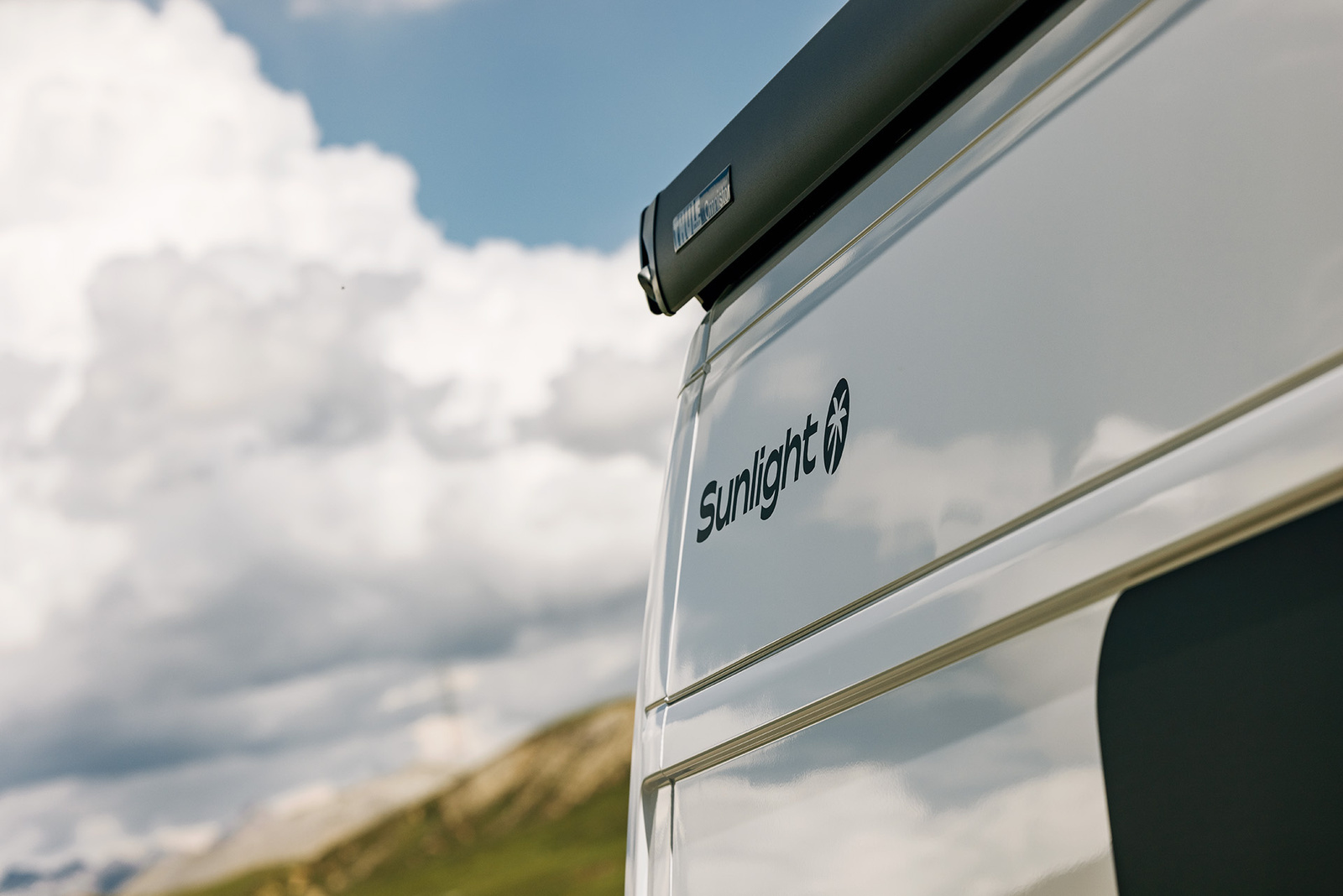
Experience the first-hand camper life with a fully equipped original Dethleffs model. Sunlight Dethleffs camper rentals offer the original Dethleffs model, golden configuration, original electrical system, and complete living features, ensuring a safe and enjoyable camper experience.
German-Built Campervan Rental|Vehicle Integration and Pre-Trip Checks
Renting a campervan means more than arranging transport. Beds, kitchen, bathroom and storage accompany your family from the road to the campsite.
Alongside rates and berths, consider vehicle origin, actual configuration, maintenance and handover instruction. Factory integration is a useful starting point, while a well-prepared trip also needs suitable loading, correct operation and planning.
9O offers German-built campervan rental options. A short trip can introduce Sunlight layouts and everyday facilities before you plan the next journey around your own needs.
This guide covers rental checks. Origin, branding and factory labels are not guarantees against faults or accidents. Confirm equipment and conditions for the vehicle actually supplied.
1. Compare Your Needs with the Vehicle’s Conditions
A campervan is a moving living space. Furniture, equipment, water and luggage affect everyday use and require appropriate loading and securement during travel.
Before booking, establish occupants, driving experience and route, then check actual seats, berths, dimensions and equipment. Visible space and operating conditions both matter.
Photographs help you imagine the trip but do not replace registration details, vehicle checks or instruction. Include these in your comparison.
2. Why Include German-Built Vehicles in Your Research?
Factory models generally have identifiable layouts, specifications and operating documents, providing a basis for questions about intended use, equipment and maintenance.
That can help first-time renters start with beds, bathroom and kitchen positions before learning water, electricity, storage and controls.
Original import status does not establish that nothing was added or replaced later. Ask about year, version and additional equipment rather than treating the entire factory brochure as a rental inventory.
Nor does conversion status alone determine another vehicle’s safety. Suitability, compatible equipment, maintenance and correct use all require individual checks.
3. Turn Vehicle Integration into Understandable Routines
Consider a full day: how do you park and connect power, start water and hot water, prepare beds and secure everything before the next departure?
| System or space | Check before renting |
|---|---|
| Travel seating | Approved occupants, belts and child-restraint suitability |
| Sleeping | Bed size, conversion, age and weight limits |
| Kitchen and bathroom | Operation, ventilation, supplies and cleaning |
| Water and electricity | Controls, supply sources and disposal |
| Storage | Securing belongings and movement through the interior |
| Support contacts | Faults and questions during the journey |
Factory documentation provides a reference, but equipment still takes practice. You do not need to master every engineering detail, yet essential handover instruction should not be skipped.
4. Weight and Loading Need More Than a “Perfect Balance” Claim
Equipment placement in the vehicle design and your actual departure load are related but separate considerations. People, water, luggage and accessories affect available payload and weight distribution.
SUNLIGHT’s weight guidance emphasizes total and axle limits and explains that optional equipment can reduce payload. Factory origin is not permission to add belongings without checking.
Ask the operator about loading conditions, heavy-item positions and securement, and establish loaded weight where necessary. Empty space under a bed or at the rear is not a reason to fill it with heavy items.
Secure luggage as instructed and consider dimensions, speed and road conditions together. Factory integration does not replace driving and loading checks.
5. Electrical Systems: Establish Sources and Limits
Lights, refrigerator, water pump, chargers and cooling may use different supplies. Visible sockets do not establish that each works off-grid or supports all appliances simultaneously.
At handover, request demonstrations of the control panel, hookup and main equipment. Establish which functions need campsite power, load limits and what to do after a trip or low-power warning.
| Power situation | Questions to ask |
|---|---|
| Campsite hookup | Compatible voltage, connectors, cables and procedure |
| Parked use | Supply arrangements for cooling, refrigerator and outlets |
| Simultaneous use | Combinations that are not permitted |
| Extra appliances | Permission and compatibility |
| Faults | When to stop use and how to contact support |
Equipment can still fail through faults, wear or misuse. Do not change wiring, combine incompatible accessories or dismantle systems. Follow instructions to stop affected equipment and contact the operator.
6. A Smoother Departure Starts with a Full Handover
Ready-to-travel is an appealing idea, but the practical starting point is confirming the vehicle and equipment rather than driving away as soon as you receive the keys.
Allow time to learn turning, reversing, parking and essential living functions. Request another demonstration if needed and save instructions and contact details.
Keep the first day manageable and aim for daylight arrival at a site confirmed to accept the vehicle. Include check-in, supplies and tidying in the itinerary.
7. Choose for Every Family Member
Couples, children and older companions have different needs. A fixed bed, accessible entry or suitable child restraint may each be a priority.
Confirm approved passenger capacity first, then assess sleeping and everyday arrangements. Berths do not increase passenger limits, and a spacious interior is not permission to add another occupant.
Match the route to the group’s energy, leave time for rest and select clearly accessible sites. Adjust to weather or personal needs rather than forcing the original plan.
8. Rent First to Discover Your Travel Habits
A short rental can introduce driving, beds, cooking, bathroom use and daily chores before you choose the next model, duration or route.
| Experience stage | What to observe |
|---|---|
| Before booking | Whether occupants and route suit the actual vehicle |
| Handover | Essential operations and support contacts |
| Campsite arrival | Parking, power connection and storage routines |
| Overnight | Sleeping, temperature and bathroom needs |
| After returning | Equipment actually used and changes for next time |
Trying a rental does not require buying afterward. Rent occasionally according to your needs or research other arrangements after gaining experience.
9. Build the Next Journey on Clear Information
Campervan flexibility comes from planning movement and living together. Understand origin as well as actual equipment, loading, power and your ability to operate the vehicle.
Confirm the model, reserve an appropriate site and leave daily room for rest and chores. First trips, family holidays and retirement travel can all start with a manageable route.
Ask 9O Traveller about German-built vehicles, actual equipment and rental conditions, then prepare your next trip around everyday needs.
Specification references: SUNLIGHT 載重資訊/Weight information · SUNLIGHT 常見問題/Manufacturer FAQ · 九歐旅行家/9O Traveller