Do Campervans Have to Stay at Campsites? A Complete Guide to Summer Charging and Campsite Planning
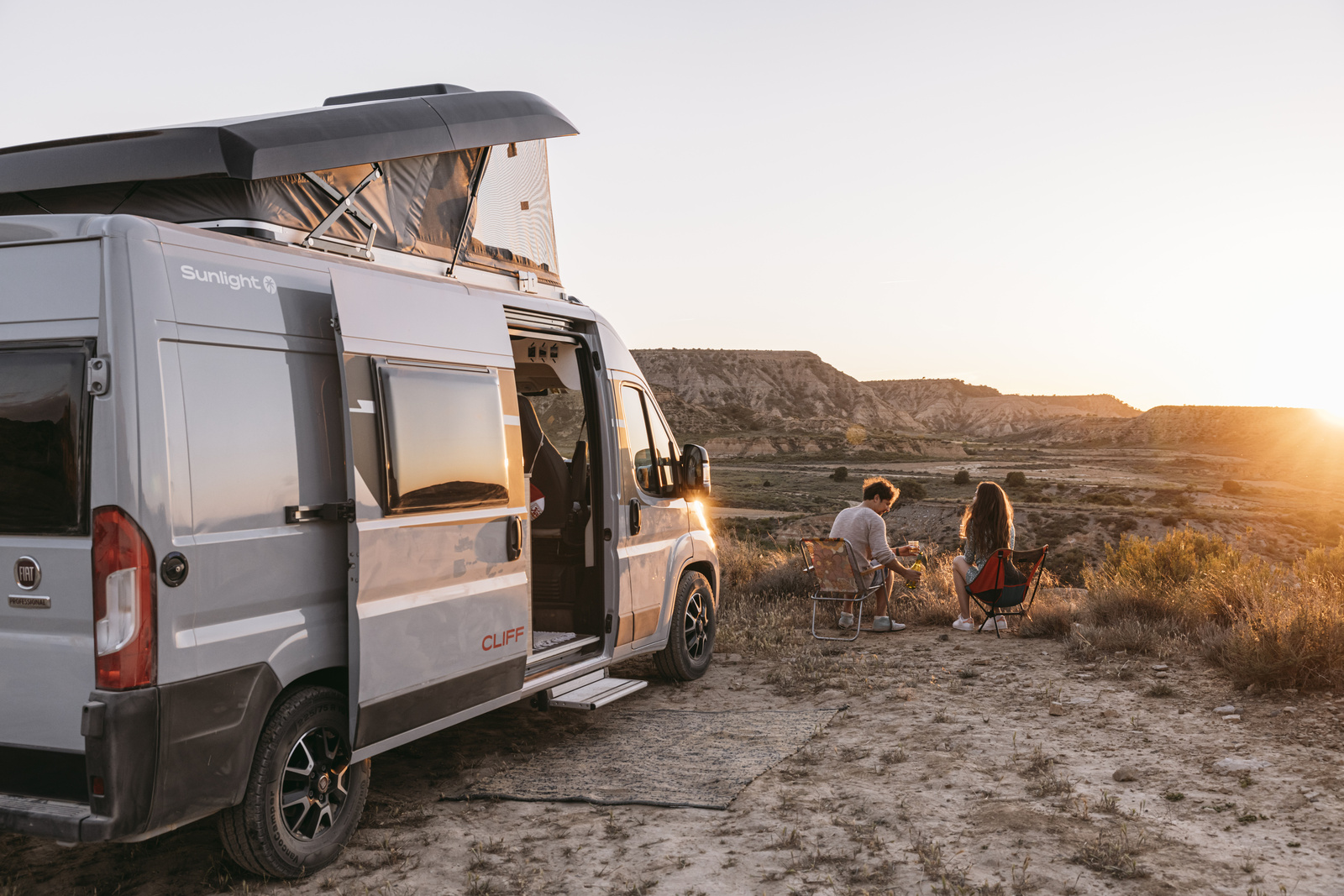
You do not necessarily need to stay at a campsite every night when travelling by campervan. However, during summer, the parking air conditioner and everyday power usage make charging arrangements especially important. This guide covers JO Campervan’s 110V shore power connection, onboard power outlet usage, and summer campsite planning to help first-time renters plan multi-day trips with confidence.
— SUNLIGHT POWER GUIDE
Do You Need a Campsite Every Night?
Summer Charging, 110V Sockets and Campervan Power
Not necessarily—but your overnight location must permit sleeping in the vehicle. In summer, powered pitches should be planned around the actual air-conditioning supply and your electricity needs.
First-time renters often ask where to stay and what to pack. Another important question is: how does a campervan recharge?
In Taiwan’s summer, parked air conditioning, refrigeration, lighting, USB charging and the water pump all make it important to understand the vehicle’s power arrangements before departure.
You do not need complicated electrical formulas to begin. Start with the relationship between leisure batteries, external 110V mains power, onboard sockets and parked air conditioning.
The supplied T58, Cliff 600 and Cliff 601 information lists 2 × 85Ah AGM leisure batteries (170Ah total), external 110V charging, ordinary 110V sockets that require external power, and approximately 8 hours as a charging reference. Confirm the actual configuration and conditions before travel.
1. Where does campervan power come from?
A campervan has a vehicle electrical system and a separate leisure battery system for living-area equipment.
According to the supplied 9O vehicle information, the T58, Cliff 600 and Cliff 601 each have two 85Ah AGM leisure batteries, with a combined nominal capacity of 170Ah.
The leisure batteries support certain everyday onboard equipment when parked without a campsite connection. However, 170Ah does not translate into a guaranteed number of days. Runtime depends on the equipment, usage and battery condition.
2. Compare the supplied 9O power specifications
The following figures come from the vehicle information supplied for this article. Confirm the actual rental vehicle, air-conditioning power system and reference conditions when booking and collecting it.
| Model | Leisure batteries | Parked air conditioning | Mains charging reference |
|---|---|---|---|
| T58 | 2 × 85Ah AGM; 170Ah total | Mitsubishi unit; approximately 600W | Approximately 8 hours |
| Cliff 600 | 2 × 85Ah AGM; 170Ah total | Approximately 8 hours of AC operation | Approximately 8 hours |
| Cliff 601 | 2 × 85Ah AGM; 170Ah total | Approximately 10 hours of AC operation | Approximately 8 hours |
Air-conditioning runtime varies with outside temperature, settings, battery condition and operating conditions. These are planning references, not guaranteed runtimes.
The 170Ah figure describes the nominal leisure battery capacity. It does not establish AC runtime, and the 8- or 10-hour references should not be read as a promise that these batteries alone supply the air conditioner.
3. How to recharge: an external 110V connection
The 9O vehicles described here can recharge through a suitable external 110V mains supply.
Before booking a powered pitch, ask:
- Is 110V power available at the pitch?
- Is the supply suitable for the actual campervan?
- Can the approved cable reach the outlet?
- What power limits and operating hours apply?
Combining an overnight stay with charging can make electricity replenishment part of the itinerary rather than a separate stop.
4. Can you use the onboard 110V sockets at any time?
No. In the 9O configuration described here, the ordinary onboard 110V sockets require an external 110V connection.
| Connection status | Ordinary onboard 110V sockets |
|---|---|
| No external supply connected | Unavailable |
| Suitable external 110V supply connected | Available within vehicle and campsite limits |
If you need a hair dryer, laptop charger, plug-in charger or another appliance using these sockets, include a suitable powered stop in your itinerary. Check permitted loads before using the appliance.
5. How long does recharging take?
The supplied information for the T58, Cliff 600 and Cliff 601 gives approximately 8 hours as a mains charging reference.
An overnight powered stay is therefore a practical way to combine rest with recharging.
The actual time depends on starting charge, charging equipment and simultaneous electricity use. An overnight connection does not guarantee a full battery the next morning.
6. Pay particular attention to parked air conditioning in summer
Parked air conditioning is one of the most important electricity considerations during Taiwan’s summer.
Driving air conditioning is available while travelling. After parking and switching off the engine, cooling depends on the vehicle’s parked-air-conditioning equipment and its power supply.
- T58: Mitsubishi parked AC unit, approximately 600W.
- Cliff 600: supplied AC runtime reference of approximately 8 hours.
- Cliff 601: supplied AC runtime reference of approximately 10 hours.
Confirm which power system supports the air conditioner and what conditions apply. Outside temperature, thermostat settings, battery condition and the operating environment affect actual use.
Rather than relying on an estimated number of cooling hours, plan your next suitable powered stop before you need it.
7. How often should a summer trip include a powered campsite?
There is no fixed interval that works for every vehicle and itinerary. Plan around the actual AC supply, daily demand and remaining charge.
| Trip length | Planning guidance |
|---|---|
| 2 days, 1 night | A charging-only campsite stop may not be necessary, depending on actual demand. Confirm overnight cooling and socket needs first. |
| 3 days, 2 nights | Plan at least one night at a suitable campsite with 110V power in summer, and increase powered stays if required. |
| 4 days, 3 nights or longer | Include powered stays according to the vehicle, AC demand and remaining charge. |
These are itinerary suggestions, not guaranteed battery intervals. Do not wait until the charge is very low before looking for somewhere to recharge.
8. External power connection checklist
- Confirm the supply: check the required 110V specification and compatibility before booking.
- Inspect cables: do not use damaged wiring, exposed conductors or loose plugs.
- Keep connections dry: avoid places where water collects.
- Protect cables: keep them clear of vehicle wheels and traffic.
- Check total demand: avoid exceeding vehicle or campsite limits with simultaneous high-power appliances.
- Ask when unsure: follow 9O’s handover instructions for the actual vehicle.
Six Takeaways Before Your First Trip
- The supplied vehicle information lists 170Ah AGM leisure batteries for all three models.
- Suitable external 110V power can recharge these vehicles.
- The ordinary onboard 110V sockets described here require external power.
- Approximately 8 hours is a charging reference, not a guaranteed full-charge time.
- Confirm parked AC power requirements when planning summer travel.
- For a summer trip of three days and two nights or longer, plan at least one suitable powered stay—and more if your actual needs require it.
A campervan does not necessarily need a campsite every night. What matters is knowing your electricity needs, choosing permitted overnight locations and planning replenishment before power runs low.
Arrange your powered stops early, then enjoy the coast and mountains with a clearer plan for the evening.
Unsure How to Plan Your Campervan Power Needs?
Tell 9O Traveller your trip length and proposed route, and ask about the actual vehicle’s equipment and charging requirements.
Ask 9O Traveller