Renting a Campervan for the First Time? How to Plan Your Power Usage with Confidence
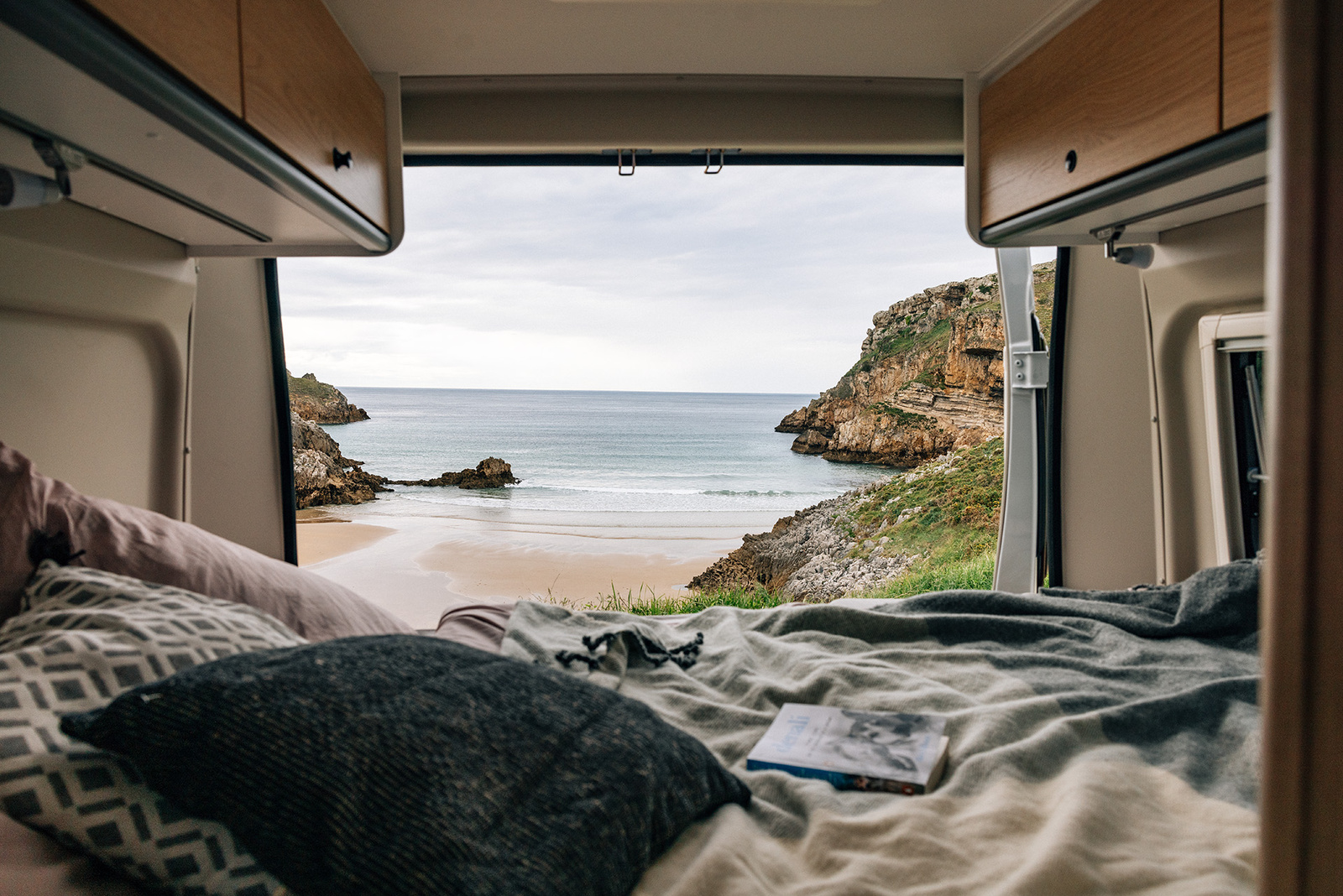
Renting a campervan for the first time and unsure how to charge it or when the 110V outlets can be used? This guide covers JO Campervan’s shore power connection, charging times, onboard power outlets, and parking air conditioner usage to help you plan a multi-day campervan trip with confidence.
9O Traveller | A Guide for First-Time Renters
Campervan Power: 5 Things to Know Before Your First Rental
Air conditioning, refrigeration, lighting and charging facilities help keep everyday life comfortable on the road. Before your first rental, the most useful things to understand are the power arrangements that affect your itinerary.
Using 9O Traveller’s experience with the Cliff 600, Cliff 601 and T58, this guide covers parked AC runtime, recharging, driving recharge and the onboard charging options.
Like fuel and water, you need to know roughly how long it will last and where you will replenish it next.
1. Start with the practical question: how long can the AC run?
For summer travel, parked air-conditioning runtime is one of the most useful starting points. 9O Traveller provides the following current test references for its three models:
| Model | Parked AC test reference | How to use it in planning |
|---|---|---|
| Cliff 600 | Approx. 8 hours | A basic reference for overnight cooling. |
| Cliff 601 | Approx. 10 hours | A little more flexibility for overnight use. |
| T58 | Approx. 16.8 hours | The longest tested parked AC runtime among these three vehicles. |
These are 9O Traveller’s test reference figures, not guaranteed operating times. Outside temperature, thermostat settings, initial cabin temperature, power status and usage affect actual runtime.
Start with a rough idea of overnight cooling time, then arrange your next recharge.
2. Longer trips need a plan for the next recharge
A two-day, one-night trip is usually easier to plan. When a journey extends to three days, five days or longer, replenishing electricity becomes more important.
The practical approach is to identify which night you can connect to external mains power, rather than trying to conserve power throughout the trip.
A simple way to plan
Short trips: plan around the vehicle’s runtime reference and actual daily usage.
Three days or more: identify a night when external power will be available.
Longer trips: treat powered campsites as normal supply stops rather than waiting until charge is very low.
Knowing your next recharge location means less time worrying about the battery display.
3. Driving recharge is limited: rely on external mains for replenishment
9O’s current Cliff 600, Cliff 601 and T58 vehicles recharge their leisure batteries while the engine is running during normal driving.
However, the contribution from this recharge system is very limited. Treat it as a small top-up while travelling, rather than your main charging method. Do not plan on a few extra hours of driving restoring the power you need that night.
Its contribution to leisure-battery charging is extremely limited and offers little practical replenishment for these vehicles, while adding fuel consumption, noise and exhaust.
When living-area charge has dropped substantially, external mains power remains the more dependable and predictable way to recharge.
| Model | Leisure-battery mains charging reference |
|---|---|
| Cliff 600 | Approx. 9 hours |
| Cliff 601 | Approx. 9 hours |
| T58 | Approx. 9 hours |
Actual charging time depends on remaining charge before connection and battery condition. These times are itinerary-planning references.
4. USB and 110V sockets serve different purposes
Campervan travellers commonly need power for two kinds of devices: everyday electronics such as phones and tablets, and higher-power appliances such as hair dryers and electric kettles.
9O provides different power options for these different needs.
USB: convenient everyday charging
Charge compatible phones and tablets using the USB facilities fitted to your vehicle.
110V sockets: available after connecting external mains
The onboard 110V sockets in 9O Traveller’s current Cliff 600, Cliff 601 and T58 vehicles require an external mains connection before they supply power.
This is a safety and power-protection arrangement. Higher-power appliances draw much more electricity than typical USB devices. Planning their use for powered stays avoids drawing that demand from onboard stored energy.
Remember: use suitable USB charging for everyday devices; use 110V appliances after connecting mains power and within the vehicle’s and campsite’s permitted load. A connection does not mean all high-power appliances can run together.
5. Plan power so you can focus on the trip
A useful power plan starts before departure: know the approximate operating range and your next recharge location, rather than checking the display constantly.
For summer trips, begin with the Cliff 600, Cliff 601 and T58 AC test references. If you have several more days ahead, arrange a suitable overnight stop with external mains power.
At handover, 9O Traveller will show you the controls, external power connection, USB charging, 110V sockets and parked air conditioning for your actual rental vehicle.
roughly how long the power will last, and where you will recharge next.
Campervan Power FAQ
How long can the Cliff 600’s parked air conditioning run?
9O Traveller’s current test reference is approximately 8 hours. Temperature, thermostat settings and usage affect actual runtime.
How long can the Cliff 601’s parked air conditioning run?
9O Traveller’s current test reference is approximately 10 hours. Actual runtime depends on operating conditions.
How long can the T58’s parked air conditioning run?
9O Traveller’s current test reference is approximately 16.8 hours. Actual runtime depends on operating conditions.
How long does mains charging take for the leisure batteries?
For the Cliff 600, Cliff 601 and T58, allow approximately 9 hours as a planning reference. Actual time depends on starting charge and battery condition.
Can driving recharge be the main charging method?
It is not recommended. The contribution from driving recharge in 9O’s current fleet is very limited. Treat it as a small top-up and use external mains when replenishment is needed.
Is idling an effective way to recharge?
It is strongly discouraged. For these vehicles, its charging contribution is extremely limited, with little practical benefit, while increasing fuel use, noise and exhaust.
How do USB and 110V sockets differ?
Use compatible onboard USB charging for everyday devices. The 110V sockets in these three current 9O models require external mains power. Appliance use must still stay within the vehicle’s and campsite’s load limits.
Make Power Planning Simple, Then Enjoy the Journey
Check available vehicles and dates, or tell 9O Traveller your trip length and approximate route. We can help you consider recharging stops for your chosen vehicle.
View Models and Live Prices Contact 9O Traveller on LINE