Exploring SUNLIGHT Campervans | A More Sustainable Way to Travel
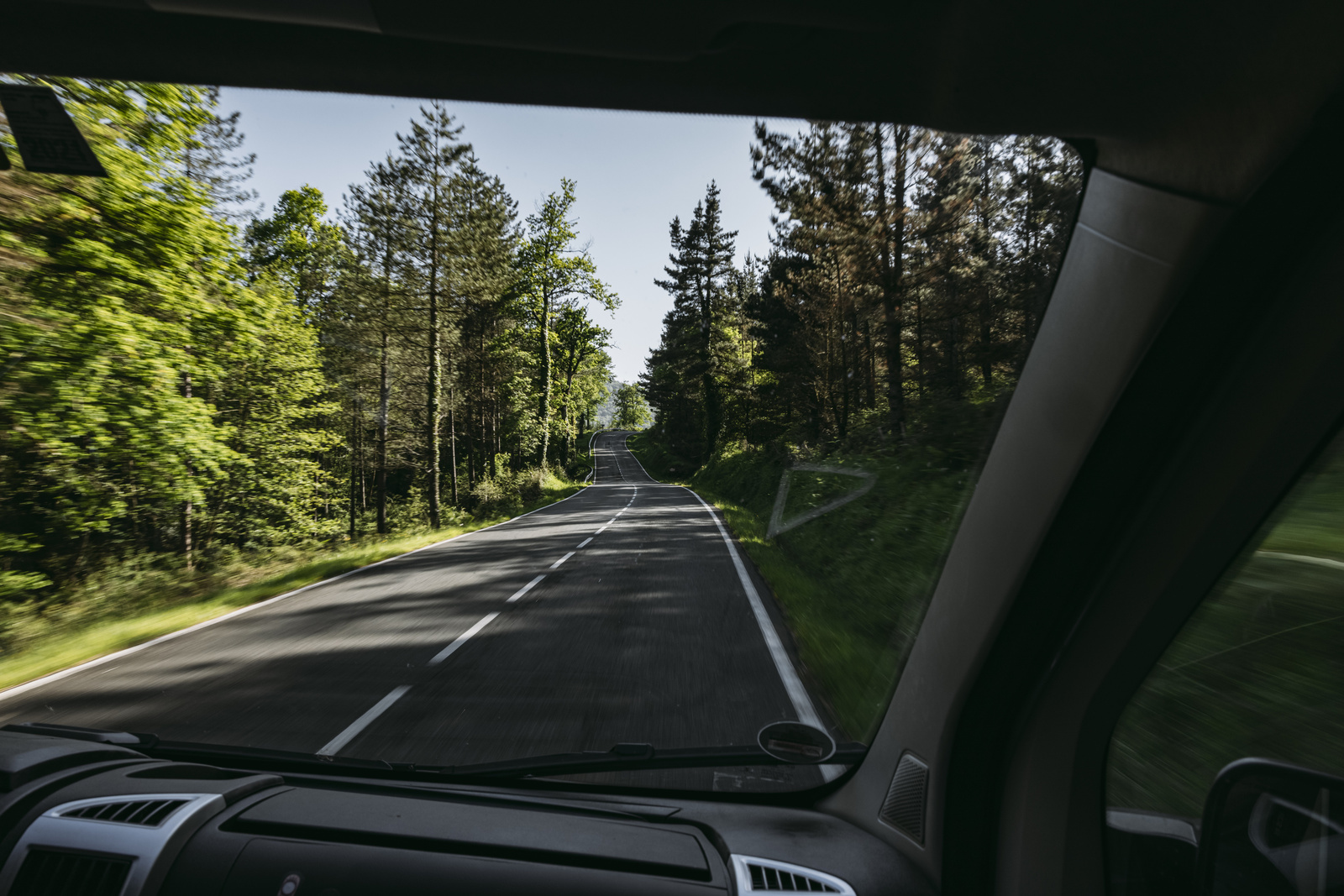
The SUNLIGHT camper allows us to travel freely through mountains and coastlines, making each journey a cherished choice of freedom. From easy departures to leisurely explorations with friends, enjoy a more sustainable way of living with the SUNLIGHT camper.
Explore the Outdoors with SUNLIGHT | A Lighter Way to Travel
Pack thoughtfully
Bring what you need and keep life on board simpler.
Explore slowly
Walk or cycle where routes and conditions are suitable.
Leave less behind
Consider supplies, waste, water and energy as you travel.
Care for each place
Choose suitable sites and respect their surroundings.
One of the greatest pleasures of campervan travel is feeling closer to nature.
You might wake to wind in the trees rather than an alarm. Outside the door could be a mountain view, a stretch of coast or grass still wet with dew. Once you have settled at a suitable place where your stay is permitted, there is room to let the journey unfold at your own pace.
Whether you follow Taiwan’s east coast, spend a night at a forest campsite or take a short weekend break, a SUNLIGHT campervan lets you bring familiar routines into a different landscape.
Yet getting closer to nature also makes it easier to notice what a trip leaves behind.
Fuel for the journey, water and electricity, food packaging and the things we take away—or leave behind—all form part of that experience.
Camping more responsibly does not require perfection or giving up comfort. It starts with considering the place around us while enjoying the freedom to travel.
We care because we want to return to the mountains, coast and forests we love. Campervan travel is not automatically greener than other holidays, but thoughtful planning can help reduce unnecessary consumption.
1. Choose Supplies with Their Use and Disposal in Mind
A campervan is a home that travels with us.
Washing hands, doing dishes, brushing teeth and showering may feel familiar. Away from home, however, it is worth thinking carefully about both the products we use and where the wastewater goes.
Before leaving, check ingredients, packaging and recommended quantities. Choose clearly labelled, refillable products compatible with the vehicle’s equipment. Start with the dish soap, hand wash or toiletries you use most often rather than replacing everything at once.
Biodegradable does not mean safe to release into streams, lakes or soil. Collect washing water in the vehicle’s greywater tank or a suitable container and use designated disposal facilities according to campsite and vehicle instructions. Toilet waste needs facilities that specifically accept it; an ordinary drain is not a substitute.
Reusable travel bottles can reduce the number of containers you carry. Finish suitable products you already own before buying replacements, rather than creating more waste in the name of preparing a trip.
Depending on the SUNLIGHT model, organise toiletries, kitchen supplies and outdoor equipment into their own storage areas. Giving things a regular place can make life on board comfortable without relying on disposable products.
Sometimes a more considerate choice is simply to use less, refill when needed and dispose of the used water properly.
2. Pack What You Need and Leave Room to Enjoy the Journey
It is easy to worry about forgetting something when packing for a campervan trip.
An extra jacket, another set of dishes and a few things that might come in useful can soon fill the vehicle. Before you know it, the trip feels busier than expected.
Camping can also be a chance to live a little more simply. Before leaving, ask what you will actually use on this particular journey.
Pack clothes for the forecast and trip length, and portion ingredients by meal. Many Taiwanese towns have markets, local produce shops, supermarkets or convenience stores where you can replenish supplies along your existing route. Still carry enough drinking water, food and essential backup supplies for remote stretches.
Buying seasonal fruit in Hualien, picking up breakfast near the mountains or choosing dinner ingredients at a market can become part of getting to know a place.
Storage does not need to be filled to capacity. Stay within the actual vehicle’s payload and storage limits, secure heavy items and keep aisles and exits clear.
SUNLIGHT models have different storage layouts. A comfortable trip comes from knowing what you can leave behind as well as which essentials you must keep.
Travelling more thoughtfully can mean bringing fewer unnecessary things, rather than buying one more environmental product.
3. Explore More Slowly Once You Arrive
The campervan gets you to your destination. It does not need to be the only way you explore it.
Where safe walking and cycling routes are available, a trip to the coast, a market, an old street or a café can reveal details you would miss through the windscreen.
On a coastal cycle path, you notice the direction of the wind and the smell of the sea. On a quiet lane, you might meet someone tending a field or stop at a small shop that was never part of your plan.
Slowing down can turn arrival into the beginning of getting to know a place.
If the itinerary suits, bring a bicycle or use a local rental service. Before using a rear carrier, confirm compatibility, load limits, attachment instructions and the vehicle’s dimensions once loaded. Do not assume every rental vehicle includes the same accessories.
Once parked in an approved spot, exploring on foot or by bike can reduce short vehicle trips and bring you closer to local daily life. Choose routes that suit the weather, your fitness and road conditions.
The campervan gives you the freedom to travel farther; your bicycle and your feet give you reasons to take your time when you arrive.
4. Let Fresh Air In When Conditions Allow
Taiwan’s summers can be hot. Air conditioning may be important for the comfort and wellbeing of children, older travellers and other companions.
Responsible travel does not mean enduring excessive heat to avoid using it.
In cooler mornings, evenings or mountain conditions, use insect screens and ventilate when the actual temperature, air quality and weather allow. When the air outside remains hot and humid, arrange cooling according to the vehicle’s equipment and power requirements. An open window alone is not an adequate heat-management plan.
A shaded, well-ventilated pitch that fits the campsite layout can help reduce direct sun exposure. Even parking orientation may make a difference to how the afternoon feels.
Learn about the site before arrival, then observe shade, sun and wind. Adjust your position only within the campsite’s instructions, and keep required vehicle ventilation openings clear.
Confirm the actual SUNLIGHT rental’s cooling, ventilation and power equipment when booking. The vehicle can offer a place to rest, while suitable weather brings opportunities to hear insects, rain and wind through the trees.
Let fresh air become part of the trip while continuing to meet everyone’s comfort and wellbeing needs.
5. Take Your Belongings and Waste Away with You
The end of a camping stay says a great deal about how we travel.
A plastic bag on the grass, packaging beside a table or rubbish around the pitch will remain after the people who brought it have left.
Reusable cups, cutlery, food containers, shopping bags and water bottles can reduce disposable items. Buying sensible portions also helps avoid food waste.
Set aside suitable space for recycling, general rubbish and food scraps, keeping waste contained. Follow local sorting rules, do not leave food outside and do not feed wildlife.
Ask where rubbish and wastewater should go when you arrive. Greywater and toilet waste must each go to facilities that accept that type of waste, rather than onto the ground, into waterways or down an unconfirmed drain. If disposal is unavailable, retain it in suitable tanks or containers until you reach an appropriate facility.
Before leaving, walk around the pitch and check for small wrappers, pegs and other belongings. Leave natural objects, plants and stones where they belong.
Take your rubbish away, and leave nature in place.
6. Choose a Campsite That Cares for Its Surroundings
A campsite is more than somewhere to park for a night. Its management affects how the surrounding land is used and looked after.
Alongside the view and facilities, ask about waste sorting, wastewater disposal, water management and site maintenance. Confirm that your actual vehicle and intended overnight activities are accepted.
A considerate campsite need not offer the most facilities. It might retain existing trees, limit visitor numbers, direct people onto established paths and ask guests to keep noise and lighting low and leave wildlife alone.
These measures help a place accommodate repeated visits. Look beyond labels such as “eco” or “sustainable” and ask what the site does in practice.
A SUNLIGHT campervan offers different ways to arrange a stay, but permission to park is not permission to sleep overnight, drive onto grass, extend an awning or light a fire. Explain your plans before booking and use the assigned parking area.
Following site rules, leaving plants untouched, respecting wildlife and disposing of wastewater appropriately are practical habits every traveller can adopt.
When travellers and campsite operators care for a place together, popularity need not come at the expense of what makes it special.
Keep the Places You Love Worth Returning To
You do not have to get everything right on your first trip.
Perhaps this time you buy fewer disposable water bottles. Next time you bring reusable dishes, pack more carefully or improve how you manage electricity, waste and campsite choices.
Each journey offers another chance to pay attention. These habits do not erase all the environmental impacts of travel, but they help us make more considered decisions.
Campervan freedom is about more than choosing where to drive or stay. It also includes choosing how we pass through a place.
SUNLIGHT campervans accompany travellers into Taiwan’s mountains, coastal areas and countryside. As life on the road meets more careful resource use, travel becomes a chance to learn how to live alongside nature.
We keep exploring because there are still places we want to see. Leaving less behind helps preserve those experiences for our future selves and for people who have yet to arrive.
Getting closer to nature also means taking care of the places we leave.
Plan Your Next Outdoor Journey
Ask 9O Traveller about SUNLIGHT models and rental conditions for your next trip.
Enquire About Campervan Rental