From Tent Camping to Car Camping: Find Your Own Way Outdoors
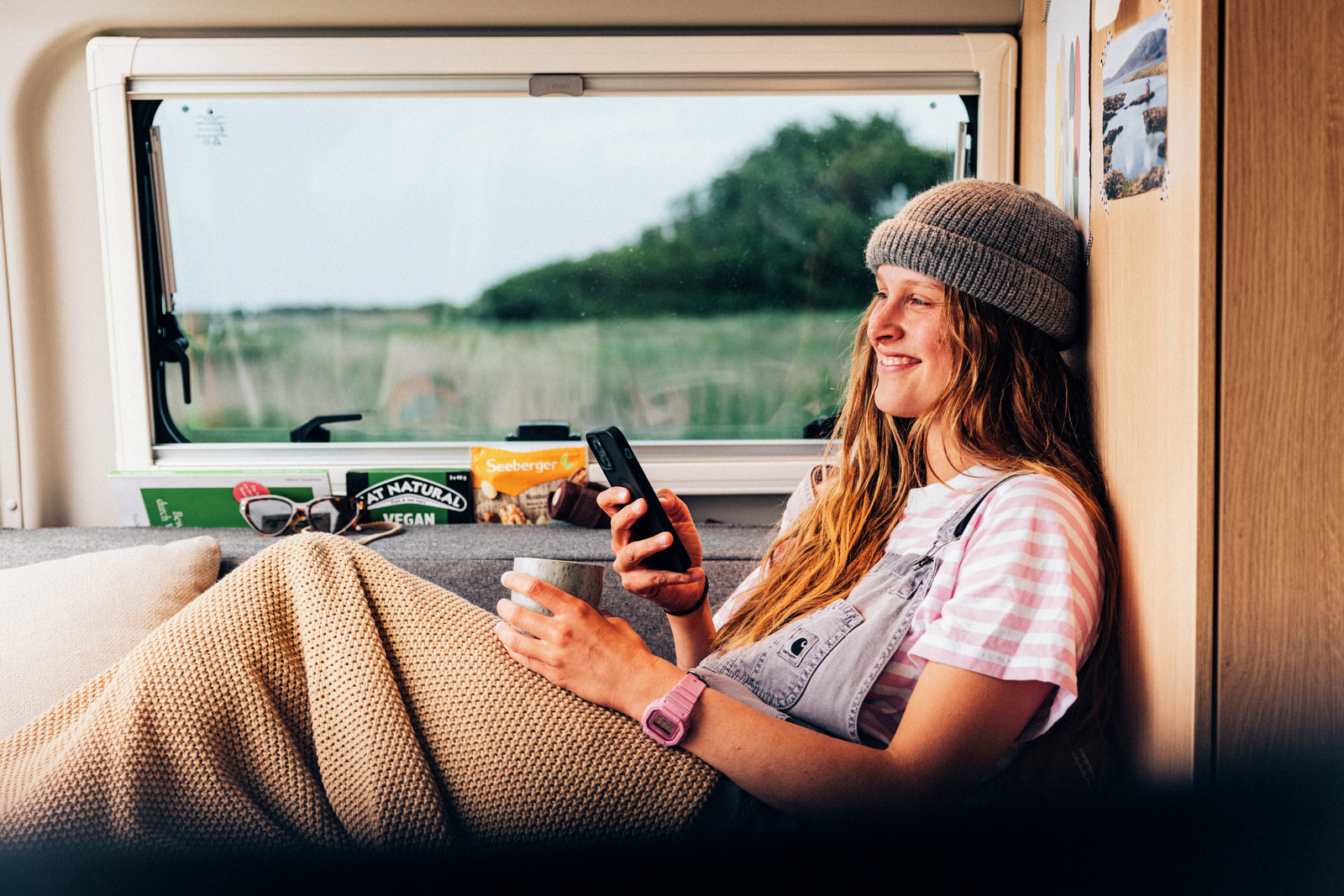
Looking for less tent setup and more time outdoors? Explore the differences between car camping, sleeping in a car and campervan travel, with practical advice on vehicles, campsites and packing for your first trip.
From Tent Camping to Car Camping: Find Your Own Way Outdoors
If you enjoy camping, this scene probably feels familiar: before leaving, you gather the tent, tables, chairs, bedding and cooking gear until the boot is full. At the campsite, you unload everything, pitch the tent and make the bed. Only then can you finally sit down and enjoy the view.
For many people, these preparations are part of the pleasure of camping. But sometimes, you simply want a night away from the city, a leisurely breakfast and an easier weekend.
That is where car camping offers another option.
With your sleeping space inside the vehicle, you can plan everyday essentials around its equipment and the campsite facilities, bringing self-drive travel and outdoor stays together. For people who want less tent setup and enjoy road trips, it is another way to get away.
This article compares car camping with tent camping and covers vehicle choices, cost considerations, campsite selection and a packing checklist to help you plan your first trip.
What Is Car Camping? The Essentials
In this article, car camping means using a vehicle as the base for sleeping and outdoor activities. You can use a regular car or a campervan, but sleeping space, bathroom, cooking and power facilities depend on the vehicle’s actual configuration.
Compared with tent camping, sleeping inside the vehicle may reduce tent setup and packing away. You still need to plan parking, ventilation, storage and equipment use.
For a first trip, consider two days and one night. Confirm the vehicle setup in advance and choose a location that explicitly permits sleeping in vehicles or camping.
- You do not necessarily need a campervan: A regular car still needs a suitable sleeping arrangement and overnight conditions.
- Car camping is not always cheaper: Add up vehicle, campsite, transport, food and equipment costs.
- Permission to park does not mean permission to stay overnight: Check site rules for both sleeping in the vehicle and outdoor camping activities.
- Start with a simple itinerary: One campsite and a few stops leave time to learn the routines and get organized.
Is Wild Camping Losing Its Appeal? Start with What You Want from a Trip
The idea that “wild camping is cooling down while car camping is taking off” is a talking point, not enough on its own to describe the camping market. For individual travelers, however, preferences can change as life and needs evolve.
When you first discover camping, researching gear, pitching a tent and arranging your pitch may be part of the fun. Each trip feels like building a little outdoor home of your own.
Later, work gets busier, holidays become shorter or your travel companions change. You may want less preparation and more time for rest, walks and exploring along the way.
Some people still love tents, some try sleeping in their cars and others rent a campervan. You can alternate between these options depending on the season, your companions and the trip.
From Bringing Everything to Choosing What You Actually Need
After a few camping trips, you usually know which items you use regularly and which you bring just in case.
For two days and one night, simple meals, a suitable campsite and a sleeping arrangement that meets your needs may be enough.
When planning a car camping trip, decide how you want to spend the weekend before choosing the vehicle, gear and location.
From Staying at Camp to Exploring Along the Way
Some trips revolve around the campsite and enjoying outdoor life once you arrive. Others connect small towns, coastlines, trails and local restaurants.
If moving between places is a priority, sleeping in the vehicle can be planned alongside your driving route. You still need to confirm where you will park and stay each night.
Car Camping, Sleeping in a Car and Campervan Travel: What Is the Difference?
Car camping can include sleeping inside a vehicle and outdoor activities. Sleeping in a car focuses on the overnight arrangement. Campervan travel uses a vehicle with specific living facilities.
These terms can overlap in everyday use. When planning, the actual vehicle setup and site rules matter more than the label.
| Term | Meaning in This Article | Planning Priorities |
|---|---|---|
| Wild camping | Camping in places with few facilities or outside a conventional campsite setting | Site permission, surroundings, supplies and applicable rules |
| Tent camping | Using a tent as the main overnight space | Setup, bedding, weather and campsite conditions |
| Sleeping in a car | Sleeping inside a vehicle, sometimes as part of a road trip | Sleeping arrangement, ventilation and a permitted overnight location |
| Car camping | Using a vehicle as the base for overnight stays and camping activities | Interior setup, outdoor living and site rules |
| Campervan travel | Traveling in a vehicle with specific living facilities | Vehicle operation, equipment, water, power and parking arrangements |
Being able to sleep in a regular car does not mean it has a campervan’s living facilities. Check sleeping, cooking, bathroom and power arrangements for the actual vehicle.
Wild camping and tent camping at a conventional campsite should also be considered separately. Facilities, supplies and rules may differ considerably.
Why Try Car Camping Instead of Tent Camping?
Reduce Some Tent Setup and Packing Away
Tent camping involves pitching, securing the tent, setting up bedding and packing everything away. In damp weather, you may also need to dry and care for the gear after returning home.
Sleeping inside a vehicle can reduce some tent-related tasks. You still need to organize the interior, check the parking environment and operate any onboard equipment.
Choosing a style that suits you helps keep preparation within the amount of effort you want to put in.
Make Room for a Trip during a Short Break
When you only have a weekend, preparation time can affect whether you feel like going at all.
Once the vehicle setup is confirmed and your belongings have their places, a suitable campsite can turn a short car camping trip into a weekend option.
For your first outing, still leave time to learn and get organized. You can adjust the pace once the routines become familiar.
Combine a Road Trip with an Outdoor Stay
Visit places during the day, head to your reserved site before evening and continue the journey the next morning. Car camping can connect a driving itinerary with an outdoor overnight experience.
Plan driving time, breaks, supplies and check-in times together so the trip does not feel rushed.
Try a Different Sleeping Arrangement
Some people love the atmosphere of a tent; others prefer being inside a vehicle.
Comfort depends on bed size, how level the surface is, bedding, ventilation, temperature and personal habits. Trying the setup helps you discover what suits you.
Try It before Investing in Equipment
If you are unsure whether you will enjoy car camping, look into rental conditions and use a short trip to understand your needs.
Afterward, decide whether to buy supplies, adjust a vehicle setup or rent a campervan occasionally. It is easier to make a choice that matches how often you will use it.
Car Camping or Tent Camping: How to Choose
Choose based on what you want from the trip, how much preparation you enjoy, your sleeping needs and your budget.
| What to Compare | Tent Camping | Car Camping |
|---|---|---|
| Overnight space | Tent and bedding | Vehicle interior, depending on the setup |
| Tasks on arrival | Pitching, arranging and organizing | Parking, organizing the interior and checking equipment |
| Space | Depends on the tent and pitch layout | Limited by interior dimensions and storage |
| Everyday facilities | Your own gear or campsite facilities | Depends on the vehicle and campsite facilities |
| Trip style | Setup and campsite life can be the main experience | Can combine a driving route with outdoor stays |
| Costs | Gear, transport and campsite | Vehicle, its setup, transport and campsite |
| What may appeal | Enjoying setup, arranging the pitch and outdoor living | Sleeping in the vehicle and traveling by road |
If you enjoy pitching a tent, arranging the campsite and researching equipment, tent camping can remain a very appealing choice.
If you want to experience life inside a vehicle and explore along the way, give car camping a try. You can also choose different accommodation styles for different journeys.
Who Might Enjoy Car Camping?
People with a Short Break Who Want a Nearby Getaway
Two days and one night let you experience parking, sleeping in the vehicle and campsite life. A manageable distance and clear site information help keep the schedule under control.
People Who Enjoy Road Trips
If your ideal trip includes coastlines, small towns and stops along the way, car camping can be one accommodation option for your driving itinerary.
Campers Who Want to Try Something Different
If you already have tent camping experience and want a different sleeping and living setup, a short car camping trip can help you compare the two.
Solo Travelers and Couples
A small group can plan around the actual interior space. Still, confirm the permitted passenger capacity, sleeping space and luggage needs rather than judging from the vehicle’s appearance.
People Who Want to Try a Campervan First
If you are interested in campervans but unfamiliar with their operation, rental advice and a short trip can help you understand the driving and everyday routines.
How Does a Regular Car Compare with a Campervan?
The main differences are sleeping arrangements, room to move, storage and living facilities. Conditions vary considerably between models, so check the specific vehicle item by item.
Sleeping Arrangements
A regular car may require adjusting seats, adding a mattress or arranging a sleeping platform.
Depending on the model, a campervan may have a fixed bed or a sleeping area that needs converting. Before booking, confirm bed dimensions, how the bed is used and the actual sleeping capacity.
Room to Move and Storage
Bedding in a regular car may reduce luggage space and room to move, so plan the layout in advance.
Campervan interiors also vary. Trying everyday movements such as changing clothes, reaching belongings and getting into bed helps you understand the differences.
Cooking and Bathroom Facilities
Do not assume that every campervan has cooking and bathroom facilities.
List the functions you need, then confirm the equipment. Anything not provided onboard can be planned around campsite facilities or services along your route.
Water and Power Management
If the vehicle has these facilities, learn about power supply, refilling water, cleaning and disposal, and follow the operating instructions.
More equipment may mean more routines to learn. On a first trip, focus on the essential functions.
How to Choose a Campsite or Overnight Location
Confirm whether sleeping in the vehicle or camping is permitted, and whether the parking space, facilities and management arrangements meet your needs.
Being allowed to park does not mean you can stay overnight. Permission to sleep in the vehicle may not include setting out tables and chairs, extending an awning or cooking.
Confirm What Activities Are Allowed
When booking, explain your vehicle type and whether you plan to use outdoor space, then check the applicable rules.
Check the Pitch and Access Conditions
Confirm the entrance, space dimensions, height limits, access roads and parking position. Provide vehicle dimensions in advance if you are using a larger vehicle.
Match the Facilities to Your Needs
Check shared bathrooms, electricity, water refills and waste disposal arrangements, and whether they suit your vehicle and personal needs.
Save the Site Contact Details
Confirm check-in, departure and staffed service hours. Contact the site in advance if your plans change.
Assess the Surroundings
Look around before parking and follow weather, terrain and site management guidance when choosing a position. Ask staff about any conditions you are unsure of.
A Beginner’s Car Camping Checklist
Before packing, check what the vehicle and site provide, then add what you personally need.
Sleeping and Personal Items
- A mattress and bedding suitable for the vehicle setup.
- Spare clothes, a jacket and suitable shoes.
- Towels and personal toiletries.
- Any personal medicines you normally use.
Food and Supplies
- Drinking water and simple meals.
- Essential utensils and food storage containers.
- Cleaning supplies suitable for the equipment.
Contacts and Trip Information
- Phone, charging cables and suitable charging equipment.
- Saved site address and contact details.
- Vehicle operating instructions and rental provider contact information.
- Route, check-in time and return arrangements.
Leisure Items
- A book, notebook or camera.
- Downloaded music.
- Outdoor gear appropriate to your planned activities.
Final Checks before Departure
- Confirm the vehicle setup and essential operating procedures.
- Confirm the overnight location and permitted activities.
- Check the route, weather and supply stops.
- Secure luggage and equipment as required for driving.
- Share your itinerary with a trusted friend or family member.
Points to Consider When Sleeping in a Vehicle
Plan for ventilation, temperature and the actual equipment available. Do not assume that the vehicle’s driving air conditioning provides a suitable overnight accommodation solution.
Do not use charcoal inside a vehicle or combustion equipment unsuitable for the interior. Use cooking, electrical and other equipment according to the product and vehicle instructions.
After parking, make sure the vehicle is secured, exits remain accessible and you follow site rules. Ask the provider before departure if you have questions about the overnight setup.
Common Planning Mistakes on a First Car Camping Trip
Checking Parking Permission but Not Overnight Permission
A site may allow parking but not sleeping in vehicles or camping. Explain your intended overnight arrangements and activities before booking.
Relying on Photos without Checking the Actual Space
Photos may not show bed size, storage or room to move. Check specific dimensions and how the setup works when choosing a vehicle.
Planning Too Much and Learning the Equipment Only after Arrival
Leave time on the first day to become familiar with the equipment. Arriving before dark also makes it easier to understand the surroundings.
Bringing Too Much and Making Organization Harder
Start with essential items and store them in the order you will use them. After the trip, note what you actually used and adjust your packing next time.
Forgetting Return-Day Tasks and Vehicle Return Times
The journey home may involve refueling, cleaning, equipment tasks and returning the vehicle. Check the requirements in advance and allow flexibility for traffic.
Car Camping FAQ
Q1: Is car camping the same as sleeping in a car?
The terms often overlap in everyday use. Sleeping in a car focuses on the overnight arrangement, while car camping may also include outdoor camping activities. Check which activities the site permits when planning.
Q2: Do I need a campervan to go car camping?
No. Some people use regular cars for overnight stays, but first assess sleeping space, ventilation and equipment. Do not assume a regular car has campervan facilities.
Q3: Should I book a campsite for my first car camping trip?
It is best to reserve a site with clear conditions that explicitly accepts car camping, so you know the parking, facilities and check-in arrangements.
Q4: Can I go car camping in a parking lot?
Do not assume that permission to park also allows sleeping overnight or camping. Check parking rules and management requirements; outdoor activities may have separate restrictions.
Q5: What if it rains during my car camping trip?
Adjust the itinerary to the weather and road conditions, and reduce unsuitable outdoor activities. Comfort inside still depends on space, ventilation and equipment. Change your accommodation or itinerary if necessary.
Q6: Is car camping always easier?
It may reduce some tent setup, but you still need to park, organize, operate equipment and clean. How easy it feels depends on the setup and how you use it.
Q7: Is car camping always more comfortable than tent camping?
No. Comfort depends on sleeping space, temperature, ventilation, bedding and personal habits. Trying the arrangement helps you decide.
Q8: Do I need to buy lots of equipment for my first trip?
Start with the essentials and confirm what the vehicle and campsite provide. Add items after the trip rather than buying equipment you may rarely use.
Q9: Is car camping suitable for solo travel?
It can be, but you will handle the driving, parking and everyday routines yourself. For a first solo trip, choose a short route with clear information that matches your abilities.
Q10: What should I ask before renting a campervan?
Confirm driving licence and rental requirements, passenger and sleeping capacities, actual equipment, operating procedures, costs, protection terms and vehicle pickup and return requirements.
Q11: Can I cook outside or set up tables and chairs?
Check the site rules. Permission to sleep inside the vehicle does not automatically allow outdoor space or cooking equipment use. Explain your planned activities before booking.
Q12: Is car camping always cheaper?
No. Add up the vehicle, setup, campsite, transport and food costs before comparing with other types of travel.
Q13: How can I tell whether car camping suits me?
Start with two days and one night. Notice whether you enjoy sleeping in the vehicle, parking and organizing it, and the pace of self-drive travel. Use that experience to plan the next setup and itinerary.
Try Another Way to Get Closer to Nature
Perhaps you still love pitching a tent and slowly arranging your campsite. Or perhaps, this time, you want to drive a little farther, stay a night, take a walk and make your way home at an easy pace.
Car camping can be an overnight experience within a road trip or simply a weekend break close to home.
Start with what you need from this particular journey, then choose the vehicle, supplies and site. When the preparations fit your habits, the trip becomes easier to shape.
On your next camping trip, leave more time for the scenery—and for yourself.
Want to experience campervan travel? Contact 9O Camper to ask about vehicle options, actual equipment and rental conditions. Plan a car camping trip around your group size, driving experience and travel needs.