[Guide: Exploring the Enchanting Firefly Season in Sun Moon Lake] Rent a campervan to experience the firefly magic! Area recommendations + best viewing times
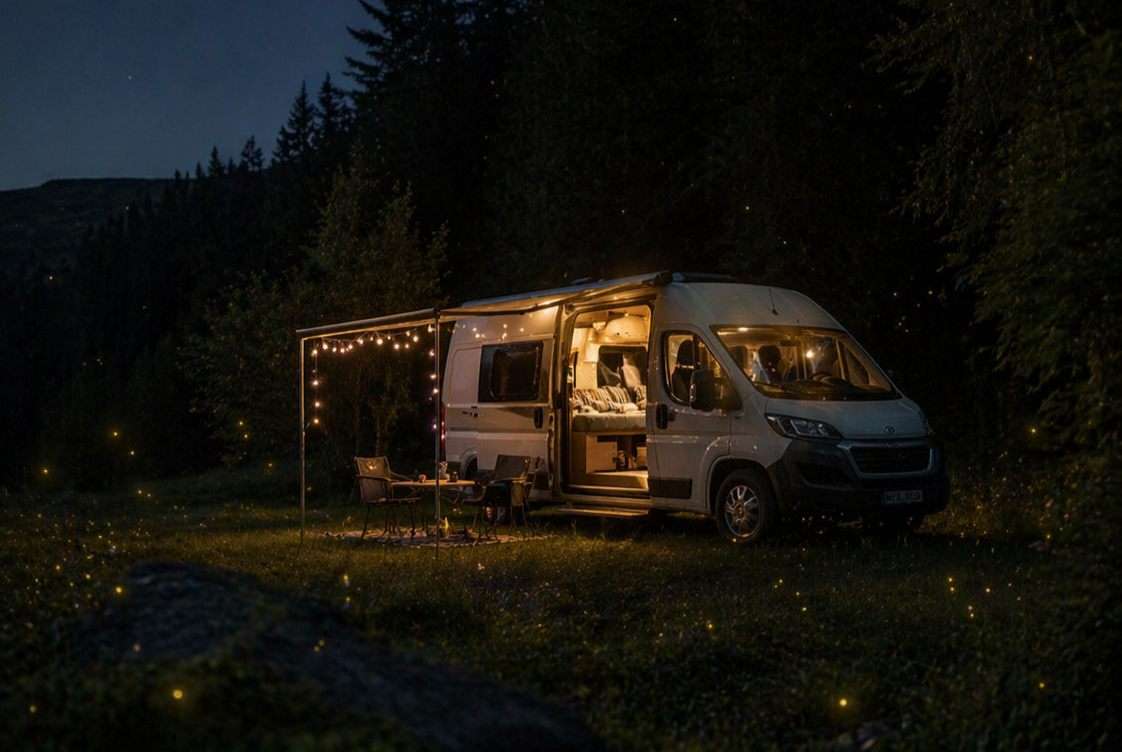
It's the most vibrant season in Taiwan, where the nights are filled with twinkling lights like stars in the sky, creating a dreamy atmosphere. This article organizes the firefly season timeline, area recommendations, campervan regulations, and important notes, allowing you to enjoy a more flexible and comfortable way to plan a spring getaway with limited campervan availability.
Sun Moon Lake Firefly Campervan Guide|Season, Locations and Trip Planning
Spring evenings around Sun Moon Lake offer a reason to slow down and look for tiny lights in the dark. A firefly trip can combine a guided evening walk with daytime exploring and a night at a site booked in advance.
If you want to rent a campervan, choose the firefly activity first, then separately confirm the vehicle, parking and campsite. Combining transport and onboard living does not remove access rules or establish permission to sleep beside a habitat.
This guide covers Sun Moon Lake and other Nantou viewing areas, general seasonal timing, vehicle questions and preparation for a more considered nighttime trip.
Seasonal information is a planning guide, not a forecast. Check current activity dates, nighttime access, tours and roads before departure. Photographs do not establish the number or brightness visible to the naked eye.
1. Firefly Viewing Around Sun Moon Lake
The wider Sun Moon Lake area includes different viewing locations such as Taomi, Toushe and Shuishe. Their environments, activities and species vary, so the entire region should not be treated as one viewing site.
Taomi is in Puli Township, while Toushe is in Yuchi Township. Use the actual meeting address and route rather than assuming that every location described as nearby is close together.
Official information introduces several firefly species, including black-winged and yellow-margined fireflies. What you see depends on the location, season and conditions that evening; large numbers cannot be guaranteed.
Following a guide, learning about the habitat and reducing light and noise are as much part of the experience as seeing glowing insects.
2. When to Go: Season and Tour Arrangements
Research spring activities around April and May
April and May provide a general starting point for Sun Moon Lake spring viewing. Location, species and weather affect observations. A fixed chart labeling March sparse, April best and June unsuitable is too broad.
The official 2026 Sun Moon Lake program focused on April–May activities. Those dates belong to that year and should not be reused as future booking dates.
| Planning stage | What to check |
|---|---|
| Choosing dates | Current official activities and sessions |
| Before booking | Recent sightings, walking difficulty, meeting and finish times |
| Before departure | Weather, roads and whether the tour will proceed |
| At the site | Follow the guide and adapt to actual conditions |
Follow your booked session rather than a universal peak hour
Viewing generally takes place after dark, but 18:30–20:00 is not a guaranteed peak for every site. Nor should sightings after 20:00 be ruled out universally.
Confirm meeting, shuttle and walking times before arranging dinner and campsite access. For a first visit, a tour with clear instructions is easier to plan than independently searching unfamiliar dark routes.
3. Sun Moon Lake Viewing Areas

This map helps explain regional locations and directions. Meeting points shown may have changed, and the map does not grant campervan parking or overnight permission. Use the address supplied for your booked activity.
Taomi|Start with a guided ecological walk

Taomi is one area to research for a first guided visit. Check the organizer, booking process, transfers and walking arrangements before building the route around the actual meeting point.
A guided activity does not guarantee a particular number of fireflies. Consider interpretation, habitat and nighttime walking part of the experience.
Toushe|Confirm the specific site and route

Identify the actual venue and guided route rather than assuming the entire basin is open for independent nighttime visits.
Crowds and group sizes vary by date and session. This guide does not guarantee that Toushe will be quieter than Taomi; ask the organizer if group size or walking conditions matter to you.
Shuishe and other announced areas|Use designated open routes

Lakeside paths and cycleways can suit daytime recreation, but not every section is a nighttime firefly-viewing route. Choose clearly open or guided routes and avoid entering unfamiliar dark areas independently.
| Area to research | Main checks | Campervan arrangements |
|---|---|---|
| Taomi | Booking, meeting point and shuttle or walking arrangements | Confirm parking and overnight site separately |
| Toushe | Specific venue, guiding and walking conditions | Check roads, entrances and vehicle limits |
| Shuishe and other announced sites | Tour route, nighttime access and meeting time | Do not assume lakeside parking is a camping pitch |
4. Other Nantou Viewing Areas and Campsite Selection
The following are viewing regions, not a verified list of campervan campsites. Accommodation or a nighttime activity does not establish acceptance of campervans.
Around Sun Moon Lake|One session and a confirmed overnight stay

Research local tours, choose a session and then find a site accepting the actual vehicle and sleeping arrangements. Visiting several viewing sites in one evening may add unnecessary nighttime driving.
Zhushan and Lugu|Different elevations and seasons

Regional information includes sites such as Shanlinxi. Some locations have seasonal patterns different from lower-elevation spring activities, so one calendar should not be applied to the whole region.
Check each operator’s guiding, fees and opening arrangements, along with roads and accommodation suitable for the vehicle.
Aowanda|Check nighttime access and activity conditions

Aowanda offers a direction for forest-based travel research. Establish whether night viewing is open and whether a specific activity or accommodation package is required.
An activity offered in a previous year is not guaranteed to return. Park accommodation also does not establish campervan overnight permission.
Beigang River and the Huisun area|Use current site information

For this region, research seasonal information from venues such as Huisun Forest Area. Confirm admission, guided activities and overnight conditions before adding a campervan route.
Choose a campsite by more than distance
| Check | Questions to ask |
|---|---|
| Vehicle acceptance | Give length, width and height and confirm campervan acceptance |
| Entrance and pitch | Gradients, passing space, entrance, parking and pitch use |
| Returning at night | Whether arrival after the activity is allowed and the latest time |
| Utilities and bathrooms | Hookup, fresh water, facilities and wastewater disposal |
| Light and management | Lighting, quiet hours and outdoor activity rules |
| Actual journey | Assess the nighttime route; a twenty-minute drive is not a universal suitability rule |
Labels such as forest campsite, ecological campsite or vehicle-stay area do not guarantee low light, complete facilities or acceptance of every vehicle.
5. Rental Planning and a Two-Day Itinerary
Confirm the activity and overnight site before choosing the vehicle
Establish the date, session and meeting point, then coordinate campsite and vehicle availability. Consider beds, storage, bathroom needs and driving rather than automatically matching short stays to CLIFF and longer stays to the T range.
CLIFF 600 and 601 offer different sleeping layouts to compare. T-range vehicles provide other layout ideas, but current rental availability requires confirmation. Check berths separately from approved passenger seats.
Day one|Arrive in daylight and join the guided walk
After the vehicle handover, limit daytime stops and arrange campsite check-in and dinner around the tour’s meeting time.
Park only where suitability has been confirmed, then use the required shuttle or walking route. Return to your booked site afterward rather than searching for an overnight spot beside the habitat.
Day two|Leave time for camp life and the return
Enjoy breakfast and a short nearby activity before leaving in time for site checkout and vehicle return. Include fuel, cleaning and equipment routines in the schedule.
If rain, road conditions or the activity change, contact the organizer and campsite before adjusting the plan. Avoid forcing nighttime travel just to preserve the original itinerary.
6. Responsible Firefly Viewing
Minimize light and follow the guide
Avoid flash, bright lights and unnecessary screen brightness. Follow site instructions on shielding, color and essential lighting. A red filter is not permission to shine continuously at insects.
Stay on open routes and avoid disturbance
Remain with the group and out of vegetation and habitat areas. Do not approach, catch or touch fireflies for photographs. Keep quiet, avoid music and take rubbish away.
Keep vehicle activity within appropriate areas
Do not introduce vehicle lights, outdoor lighting or generators into viewing habitats. Parking, cooking and outdoor furniture must follow site rules; keep campervan routines within confirmed facilities.
Prepare for walking and accept natural variation
Bring suitable footwear, long sleeves, rain protection and water, and adapt to weather and ground conditions. Images are not a promise of the brightness or density you will see in person.
7. Frequently Asked Questions
Q1: When are fireflies most abundant near Sun Moon Lake?
April–May is a starting point for researching spring trips, but peaks vary by site, species and weather. Ask about recent sightings rather than expecting a fixed mid-April to early-May maximum.
Q2: Should I book in advance?
Follow the organizer’s process for guided sessions, shuttles and limited-capacity activities. Campsites and vehicle rentals are separate bookings; a tour reservation does not include an overnight pitch unless explicitly stated.
Q3: Can I sleep in the vehicle beside a viewing site?
Do not assume so. Confirm parking, vehicle sleeping and camping conditions separately, and use an overnight site explicitly accepting the vehicle.
Q4: Is June unsuitable for viewing?
Not universally. Species and elevations have different seasons. Check the actual venue; Sun Moon Lake spring activity dates do not represent all of Nantou.
Q5: Can children join?
Check distance, ground conditions, duration and age restrictions, then assess each child’s stamina. Confirm approved travel seats, suitable child restraints and sleeping arrangements too.
Q6: Does every location in this guide accept campervans?
No. These are viewing directions, not confirmed campervan campsites. Roads, vehicle acceptance and overnight conditions all require separate checks.
8. Leave Time for the Evening’s Small Lights
Choose one suitable tour and a confirmed overnight site, then connect them with a relaxed day of exploring and rest.
Firefly viewing involves patience and respect for the habitat. Reducing light and noise and following the guide are part of the journey.
Ask 9O Traveller about current vehicles, actual equipment and rental conditions, then plan around your group, driving experience and activity arrangements.