Traveling with Pets in a Campervan | Discover the Outdoors with Your Furry Friends
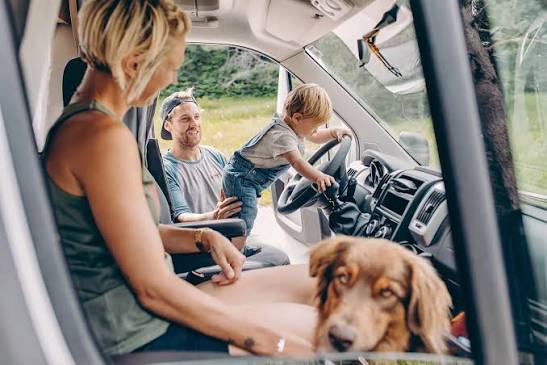
Planning a trip with your pet but worried about accommodation restrictions and the environment? Rent a campervan to enjoy the freedom of movement, relaxation, and outdoor exploration. Start your first pet-friendly campervan journey with us.
Campervan Travel with Pets|This Time, Plan to Bring Them Along
Plan to travel together
Confirm the vehicle and destination accept your pet first.
A familiar resting space
Bring usual bedding and allow time to settle.
Follow their pace
Leave room for walks, breaks and shared moments.
Prepare for a suitable trip
Plan travel securement and campsite rules together.
There is often a familiar figure beside the luggage, watching bags move and waiting to see whether departure includes them.
For many owners, planning involves pet care as much as attractions. Boarding, trusted carers and traveling together each require preparation; the right choice starts with the pet’s habits and condition.
A campervan trip offers another possibility.
The vehicle provides transport and, once appropriately parked, a place to rest together. Familiar belongings can preserve a little routine while scenery changes.
Confirm the pet-permitted vehicle, campsite and attraction rules first. Then choose a manageable route and adapt to your pet, making the experience comfortable for everyone.
1. Turn “Next Time” into a Manageable Plan
Many owners imagine a coastal walk or a quiet evening at camp with their pet.
Planning brings questions about acceptance, activity restrictions and how to respond if the animal becomes unsettled, vocal or tired.
A campervan can reduce frequent room changes and keep belongings and resting places more consistent. It does not make every pet comfortable automatically or remove accommodation rules.
Start with a short route and one night at a clearly suitable site. If travel does not suit the animal, arranging familiar, appropriate care is also a considerate choice.
You can plan the places you want to share gradually, without going far at once.
2. Familiarity Takes Time
Travel may feel exciting to people, while unfamiliar smells, sounds and vehicle movement can take adjustment for pets.
Introduce the interior before departure where possible. Bring the usual bed, blanket or toy and plan a suitable position. Familiar smells may help the animal settle during parked rest.
Keep bowls and supplies convenient when stopped, then stow items before driving and return the pet to the confirmed travel arrangement.
Begin with short drives and a short stay rather than an entire island tour. Observe reactions before extending distance and consult a veterinarian about persistent difficulty.
Flexibility includes moving at a pace the animal can manage.
3. Leave Space in the Itinerary
Pets do not count attractions. A path to sniff or an afternoon resting beside familiar people may be enough.
Choose one or two permitted activity areas and allow walks, water, toilet breaks and rest. Fewer repeated vehicle changes can make behavior easier to observe.
Stay longer within the site’s permitted hours if the pet settles. Shorten activities if it becomes tired or stressed, returning to an appropriate resting place.
Campsite arrival, departure and access hours still apply. An onboard bed does not remove accommodation timing requirements.
Traveling with a pet can teach us to get to know a place more slowly.
4. Pack Familiar Belongings and Practical Care Supplies
Prepare usual food, drinking water, bowls, a lead, suitable harness, bedding, towels, waste bags and cleaning supplies.
Bring prescribed medication as directed and save medical information, identification details and nearby veterinary contacts. Confirm that pest-control and other products suit the species and individual needs; do not substitute human products automatically.
A familiar blanket or toy may be more useful than buying many unfamiliar items. Group frequent-use supplies so water or cleaning equipment is easy to find.
Clean paws and fur as appropriate before re-entering, following site conditions. Check rental rules too; do not assume the onboard shower may be used to wash pets.
Convenient preparation leaves more attention for the surroundings.
5. Safe Travel Comes First
Pets should not roam inside, sit on the driver or interfere with controls while moving. Braking and turns can injure an unsecured animal and distract the driver.
Choose an appropriate vehicle-travel carrier or restraint for the animal and follow its instructions. Confirm permitted placement and securement with the operator. An ordinary lead or collar is not automatically a vehicle restraint.
Try short journeys first. Consult a veterinarian about motion sickness, anxiety or health needs rather than giving medication independently.
Stop appropriately for breaks, checking the lead and surroundings before opening doors. Do not let reassurance or photography distract from driving.
Never leave a pet alone in a parked vehicle, including with shade, open windows or air conditioning. During accompanied rest, monitor temperature, ventilation and actual power rather than assuming cooling guarantees comfort.
Traveling together also means caring for each other along the way.
6. Choose the Right Campsite Before the Popular Attraction
Pet-friendly means more than admission: the setting and rules need to support a suitable stay.
Confirm accepted species, sizes and numbers, lead rules, shared areas, bathrooms, cleaning and other requirements. Permission from the rental operator does not establish permission at the destination.
Ask about traffic, slopes, water and fencing around the pitch. For sensitive animals, enquire about spacing and surroundings without expecting guaranteed quiet.
Do not remove the lead without clear permission and suitable conditions. Avoid unwanted approaches to people, other animals and wildlife. Pay particular attention when opening doors and moving equipment.
Clean up waste, protect plants and avoid disturbing others. Change plans if a site does not suit.
Respect for the place and its visitors helps make future shared trips possible.
7. Tell the Rental Team About Your Pet
Alongside dates and occupants, share the pet’s species, size, number and travel habits. Clear care needs make vehicle and route advice more useful.
Confirm pet acceptance, interior areas, bedding protection, cleaning and charges under the current package and contract. Ask about extra fees or requirements before booking; do not assume every vehicle is eligible.
Prepare these details for 9O Traveller:
- Departure and return dates and trip duration.
- Human occupants and intended region.
- Pet species, number, size or weight.
- Travel experience and reactions to consider.
- Intended carrier or restraint and its dimensions.
- Resting, storage and cleaning needs.
Reduce transfers on a first trip and learn the vehicle and site routines. Leave room to return early or change arrangements if the animal does not adapt.
A rental experience can help you discover how you like to travel together.
8. The Journey Ends, but Shared Moments Remain
It is easy to wait for quieter work, better weather or a more complete plan before taking a pet somewhere new.
The first trip need not be distant. It can be a weekend in a vehicle confirmed to accept pets, with familiar bedding and an appropriate overnight site.
A new walk and familiar people nearby may matter more than a long destination list. Coast, forest and campsite need not become targets to complete.
You may remember a pet resting beside you after parking, its reaction to the beach or a quiet evening together.
If traveling together suits you both, make this the time you begin planning.
Ask 9O Traveller about pet-permitted vehicles, actual equipment and rental conditions, starting with what your animal needs.
Planning a campervan trip with your pet?
Ask 9O Traveller about pet acceptance and rental conditions before planning your journey.
Enquire about travel with your pet