Thinking of Experiencing Life in a Camper After Retirement? Start Your Journey with Sunlight
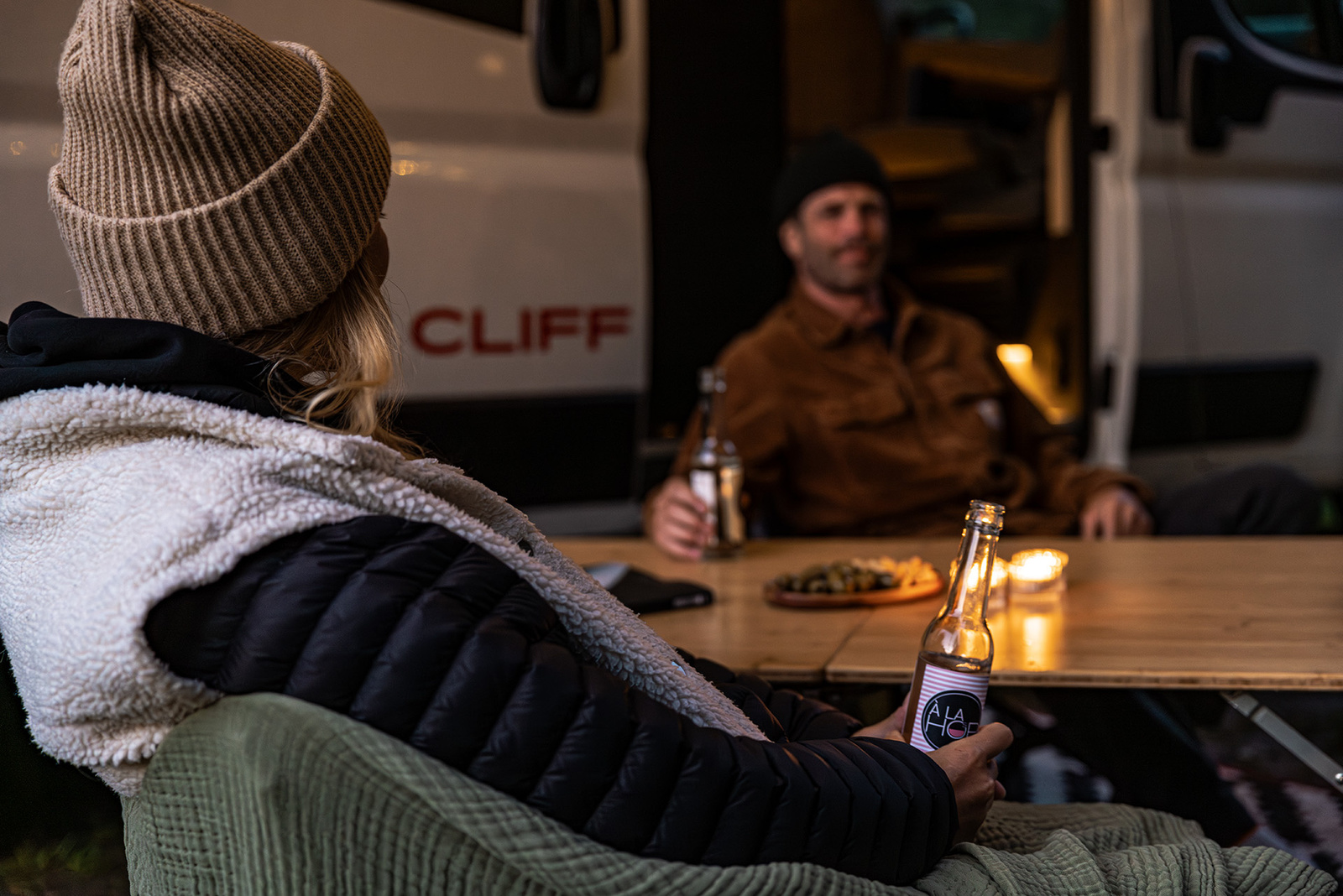
After retirement, you can finally take time for yourself and your partner. The Sunlight camper is designed for comfort, relaxation, and a complete living space, allowing couples to enjoy a carefree and secure lifestyle. It’s a great way to escape the hustle and bustle of work and family responsibilities, and to explore mountains, beaches, and the stars at a leisurely pace.
Campervan Travel After Retirement|Make Time for the Places You Want to See
Earlier in life, travel often waits behind more urgent responsibilities. Work, family and everyday commitments can leave favorite destinations on a list marked “when we have time.”
Perhaps you and your partner once planned to watch a sunrise, explore the coast or spend a night near the mountains. The years passed, while those ideas never quite reached the calendar.
Retirement can offer a different way to arrange your time: fewer sightseeing stops, longer breakfasts, walks and more time together.
If that appeals to you, consider beginning with a short campervan rental. Driving and living in the actual vehicle can help you discover the pace and arrangements you both enjoy.
1. Arrange Travel Around Your Own Pace
Working-life holidays often encourage crowded itineraries. After retirement, you can try fewer daily plans and allow more time for rest and transport.
A weekday departure, another night at the same campsite or one destination a day can all offer a different rhythm. Flexible timing does not guarantee fewer crowds, so check local activities and site conditions.
A campervan connects transport and onboard accommodation. Confirm the route and overnight site first, then adjust to weather and energy rather than searching for a parking place each evening.
2. Start with One Small Journey
You do not need to revisit every postponed plan at once. Choose a destination within a manageable distance, with clear road information, and try one night away.
It might involve a lakeside walk before returning to a reserved campsite, or a coastal stop followed by an unhurried meal. Match the plan to your current energy and expectations.
Sunrises, mountain journeys and longer routes can follow once the vehicle feels familiar. Add those destinations one trip at a time without turning the list into another deadline.
3. Plan Together Before Leaving
Campervan travel includes how you share routines as well as scenery. Choosing a destination, discussing meals and packing can help you rediscover each other’s preferences.
One person might enjoy early starts while the other prefers a slow breakfast. One might want a trail and the other a place to sit. Discuss priorities so the itinerary works for both.
Talk about driving, navigation, check-in and equipment too. Responsibilities can change, but both travelers should know essential information and be able to adjust when tired or when weather changes.
4. Assess Comfort Through Everyday Movements
Comfort involves more than a spacious-looking bed. Entry steps, changing clothes, getting up at night and reaching belongings all deserve attention when choosing a vehicle.
| Daily situation | Questions before renting |
|---|---|
| Getting in and out | Are steps, handholds and entrance height suitable? |
| Sleeping | Does the bed fit, how is it accessed and does it need converting? |
| Moving at night | Are the walkway, lighting and bathroom route manageable? |
| Bathroom use | What space, operation, water and cleaning are involved? |
| Meals | Are the table, seats and storage convenient? |
| Driving | Can you manage dimensions, visibility, turning and parking? |
| Organizing belongings | Where do items go, how are they secured and what routines are needed? |
A bathroom, kitchen or air conditioner does not remove supply and campsite needs. Confirm water, energy and operating conditions for the actual vehicle.
If a bed or layout does not suit you, do not force it. Campsite facilities or alternative accommodation may provide a better fit for part of the trip.
5. Plan Onboard Life and the Campsite Together
A campervan and a hotel offer different accommodation experiences. It is not a complete hotel room that can be placed anywhere; space, equipment and daily chores require consideration.
Its appeal is taking familiar belongings along, then living at an appropriate site. Park properly and complete necessary procedures before resting, cooking or using other facilities.
Confirm vehicle acceptance, access roads, electricity, bathrooms and arrival times. An attractive waterfront does not establish permission to park overnight, set up furniture or cook outdoors.
Once accommodation and supplies are arranged, add daytime exploring around them so moving and resting fit together.
6. Rent First to Discover What You Need
You do not need to decide immediately about ownership or extended travel. A short rental can introduce dimensions, beds, storage and equipment while showing which details matter most.
| Experience stage | What to observe |
|---|---|
| Handover | Understanding driving, parking and essential equipment |
| First day | Time needed to arrive and settle in |
| Overnight | Bed, temperature, lighting and bathroom suitability |
| Return | Energy, cleaning, supplies and return arrangements |
| After the trip | What you enjoyed and what to change next time |
Share driving experience, group size and the intended route before booking. Confirm licence eligibility, rental conditions, charges and the actual vehicle. Allow time for the demonstration and aim for daylight campsite arrival.
Discuss longer rentals after learning your needs. Do not assume short-rental conditions apply unchanged to extended use.
7. Share the Scenery with Family, While Keeping Your Own Routine
A retirement trip can be time together as a couple or an occasional journey with children and grandchildren. Confirm approved seats, sleeping arrangements and individual needs before inviting others.
Berths do not establish passenger capacity. Do not add occupants simply because the trip is multigenerational. Separate vehicles, other accommodation or meeting at the destination may suit the group better.
Travel does not have to be a large gathering. Exploring as a couple, sharing photographs or talking over a meal afterward can all add anticipation to everyday life.
8. Turn “Someday” into a Manageable Departure
Start with a small trip you can handle. Choose a suitable vehicle and confirmed site, with enough time for rest and daily routines.
A campervan does not prescribe the ideal retirement. Through experience, you can learn where you like to stay, how far you want to drive and which layout works best.
Interested in traveling with your partner? Ask 9O Traveller about available Sunlight models, actual equipment and rental conditions, then plan around driving experience, duration and everyday needs.