The Complete Guide to Solo Campervan Travel: Travel at Your Own Pace
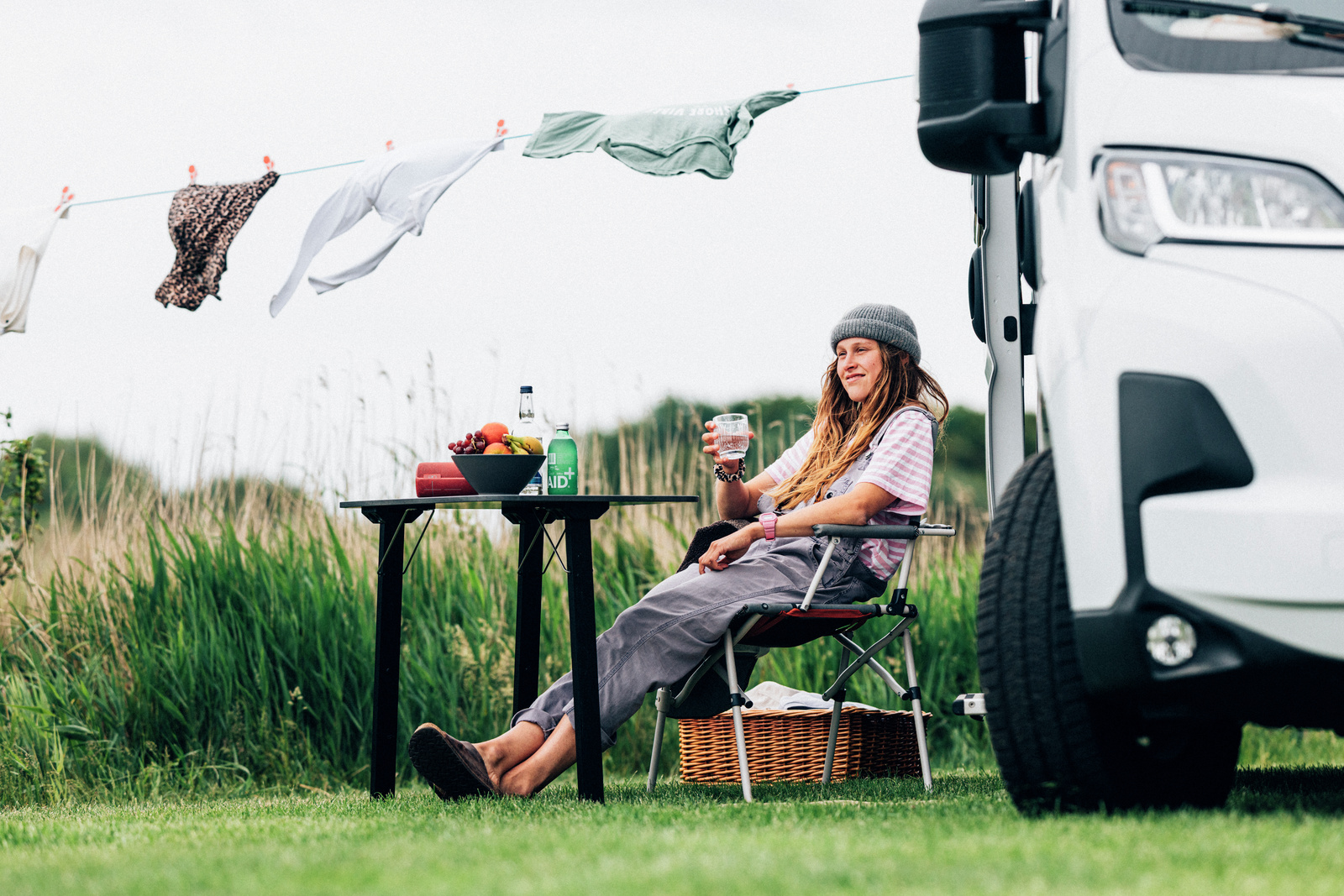
Thinking about a campervan trip on your own? Explore vehicle choices, everyday life on the road, planning tips and frequently asked questions. Let 9O Camper help you prepare for your first solo journey and find your own travel rhythm.
The Complete Guide to Solo Campervan Travel
Set Off on Your Own and Travel Your Way
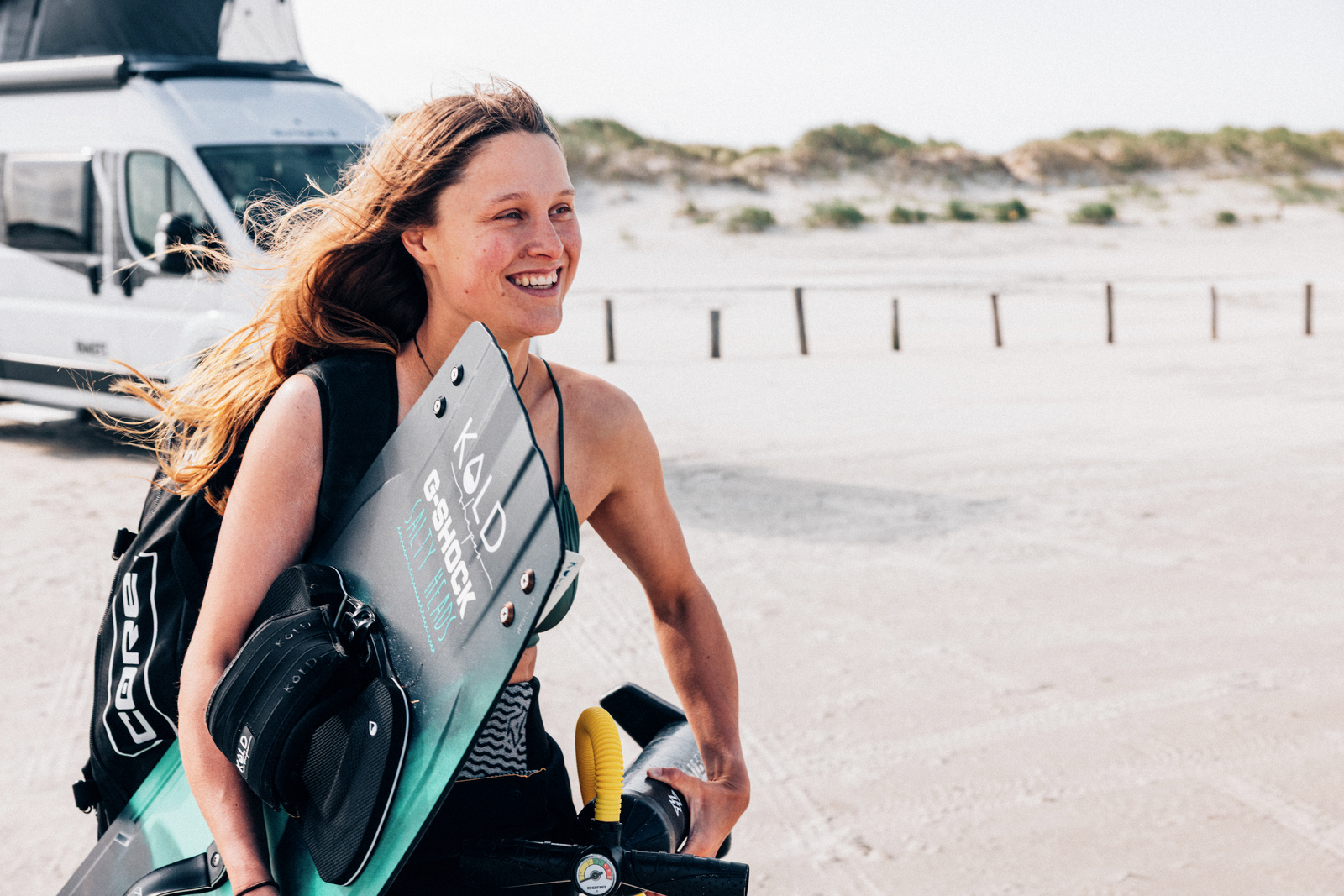
Is there somewhere you have wanted to visit for a long time, but keep putting off because you cannot find someone to go with?
Perhaps it is a coastal road, a mountain campsite or a small town made for leisurely walks. You save it on your map, look at it from time to time and tell yourself, “We will go when everyone is free.”
You can also plan a trip just for yourself.
Traveling alone in a campervan lets you choose your route, how long to stay and the rhythm of each day. Explore the scenery along the way, arrive at your pre-booked campsite before evening, settle into your living space and take your time as the night unfolds.
If you are considering a solo campervan trip, this guide explores choosing a vehicle, planning your journey, thinking through costs and preparing to leave—helping turn “I would love to go” into a trip you can actually take.
What Is Solo Campervan Travel?
Solo campervan travel means driving or using a campervan on your own, combining transport, accommodation and everyday living while planning your own route and stops.
Sleeping, cooking, bathroom and power facilities depend on the vehicle’s actual configuration. Choose campsites and plan supplies around the equipment available onboard.
Compared with an ordinary self-drive trip, campervan travel requires more attention to vehicle dimensions, overnight locations, water, power and equipment management. Traveling solo also means handling the driving, daily setup and itinerary decisions yourself.
Keep your first trip simple. Become comfortable with the vehicle and parking routines before gradually adding more destinations or extending your travels.
Can You Travel Alone in a Campervan?
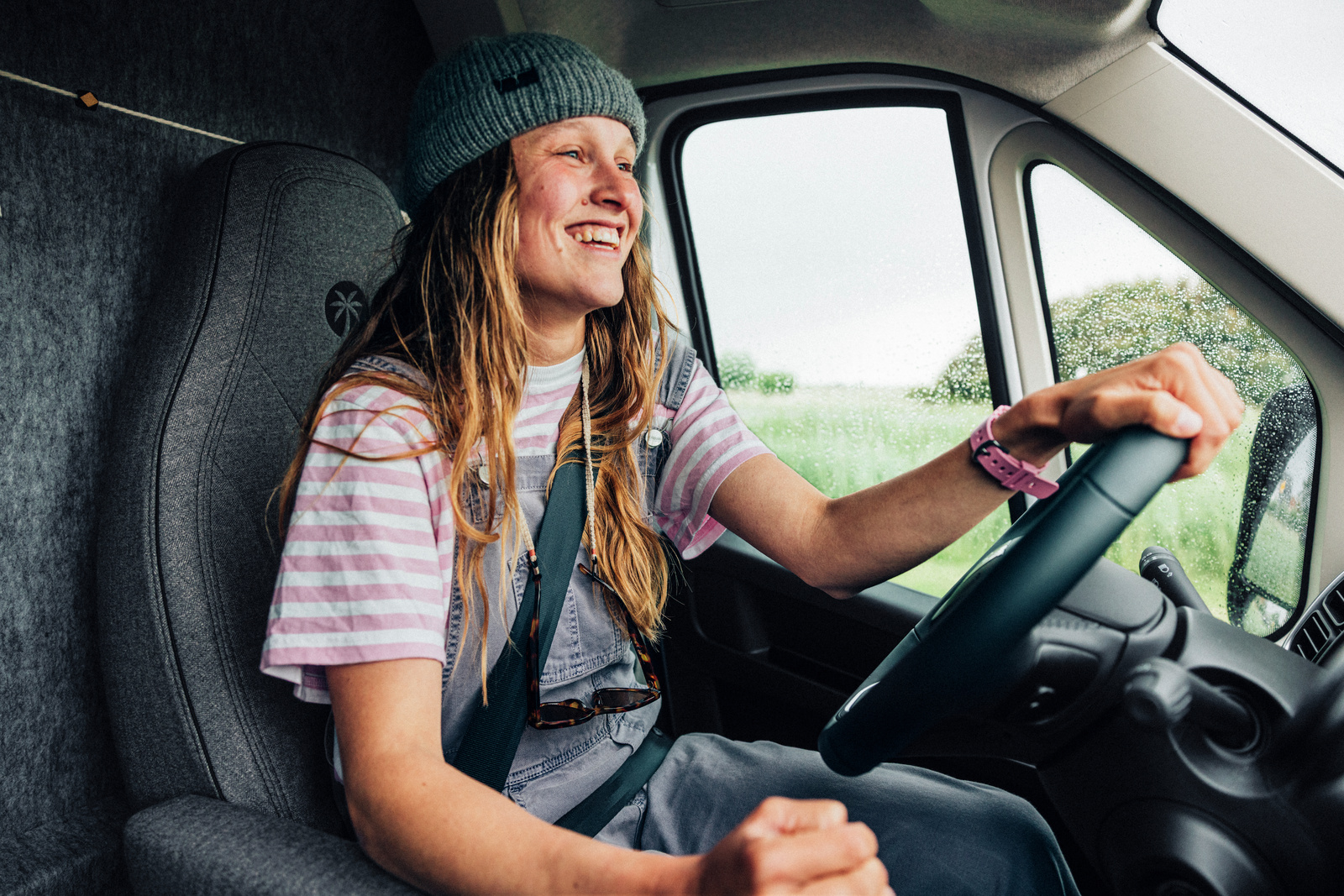
You can plan a solo campervan trip, but first confirm the driving licence requirements, vehicle or rental conditions, and whether you can manage the driving and equipment independently.
Being able to drive is the starting point. Before departure, get to know the vehicle’s length, width and height, the view from the driver’s seat and how it turns. If it has bathroom, cooking or other living facilities, learn how to operate and clean them too.
Before setting off, consider these questions:
- Driving ability: Can you handle the planned route in this particular vehicle?
- Vehicle dimensions: Do you understand height limits, parking space requirements and road restrictions?
- Equipment use: Can you complete the essential operating procedures on your own?
- Trip arrangements: Have you confirmed your campsite, supplies and arrival time?
- Flexibility: Can you adjust your plans if the weather changes or you feel tired?
If anything is unfamiliar, ask for a thorough vehicle handover and equipment demonstration, and start with a short trip. You could also travel with someone first before trying a solo journey.
For your first outing, the most important thing is to plan around your own abilities and habits.
Why Choose a Solo Campervan Trip?
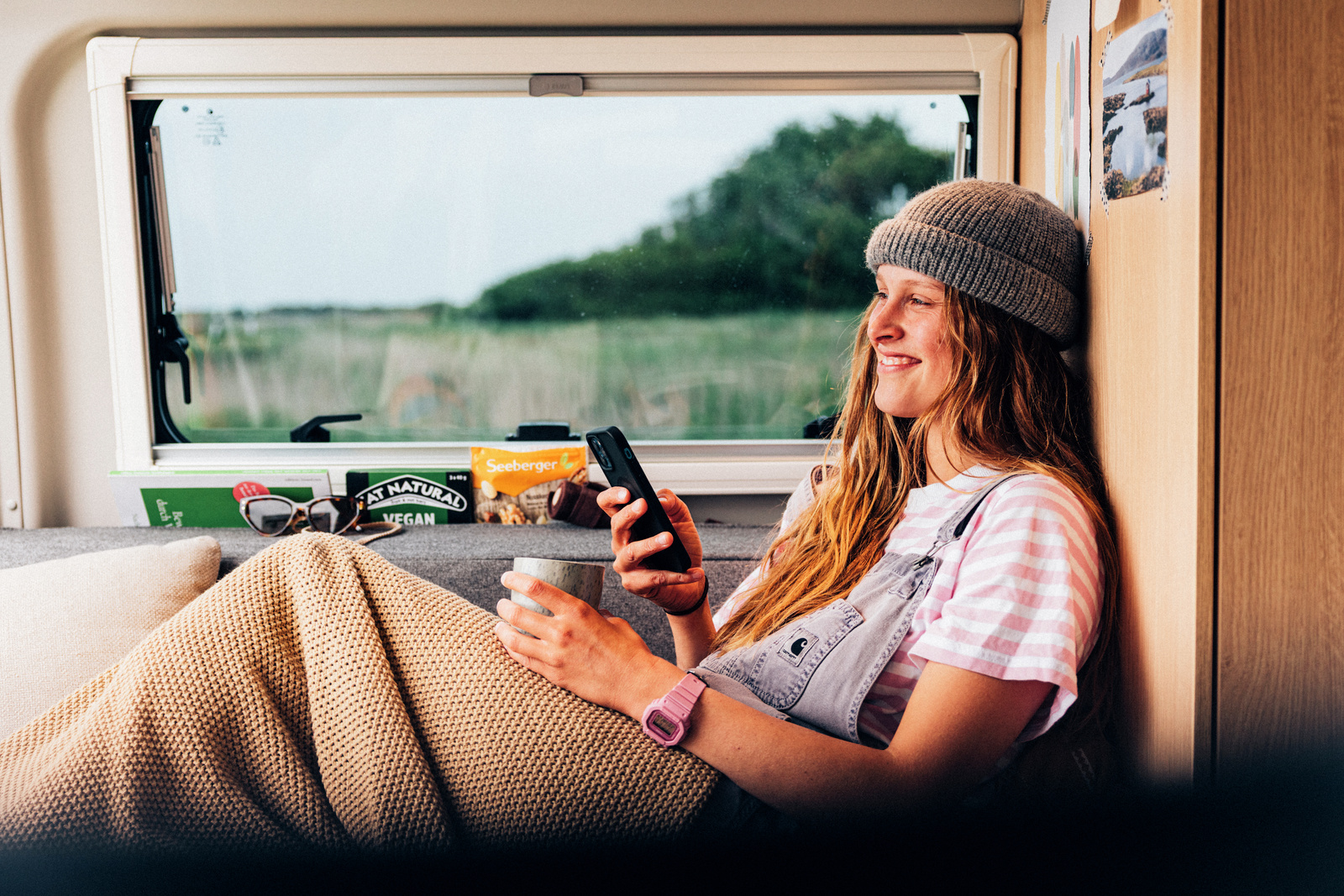
Start Planning without Waiting for Everyone Else
Once you are working, organizing a trip can be harder than expected. Everyone has different days off, budgets and destination preferences. Even a weekend away can take a long time to arrange.
Solo travel lets you leave when it suits you. Once you have confirmed the vehicle, route and overnight location, you can turn one of those saved map pins into your next break.
Adjust the Itinerary to Your Energy and Interests
Some people love getting up for sunrise; others prefer a slow breakfast. Some spend hours photographing a trail, while others would rather settle into a café.
When you travel alone, you can shape activities around how you feel. Walk a little farther when you have the energy, or return to the campsite early when you need a rest.
Leaving yourself these choices helps make the trip the kind of break you actually need.
Enjoy Changing Scenery with a Familiar Living Space
You may visit somewhere different each day, while your clothes, books and personal belongings stay in familiar places.
Once you reach the campsite, organizing your living space helps you settle in. If personal space matters to you, this arrangement makes moving and resting fit naturally together, with a place of your own to unwind.
Rediscover What You Enjoy
When you make the decisions yourself, you start noticing things you may not have thought much about before.
You might discover that you enjoy lingering over breakfast, walking at dusk or visiting just one destination a day. These small discoveries gradually help you find your own way of traveling.
Campervan, Hotel or Tent Camping: Which Should You Choose?
Each option suits different situations. Consider transport, everyday needs and how much preparation you are comfortable with.
| What to Compare | Solo Campervan Travel | Driving with Hotel Stays | Tent Camping |
|---|---|---|---|
| Transport | Account for campervan dimensions and parking requirements | Drive a regular vehicle and arrange accommodation separately | Arrange transport and camping gear separately |
| Sleeping space | A sleeping area inside the vehicle, depending on the model | A hotel or guesthouse room | A tent and sleeping gear |
| Everyday facilities | Depend on the vehicle; you need to learn how to use them | Depend on the accommodation’s facilities and services | Depend on your gear and campsite facilities |
| On arrival | Park, check equipment and organize the interior | Check in and carry in luggage | Pitch the tent, set up and organize gear |
| Planning priorities | Vehicle, route, campsite, water and power | Route, parking and accommodation | Gear, weather, setup and campsite |
To help you choose, imagine how you want to spend the evening after arriving, and how much time you are willing to spend setting up and operating equipment.
How to Choose a Campervan for Your First Solo Trip
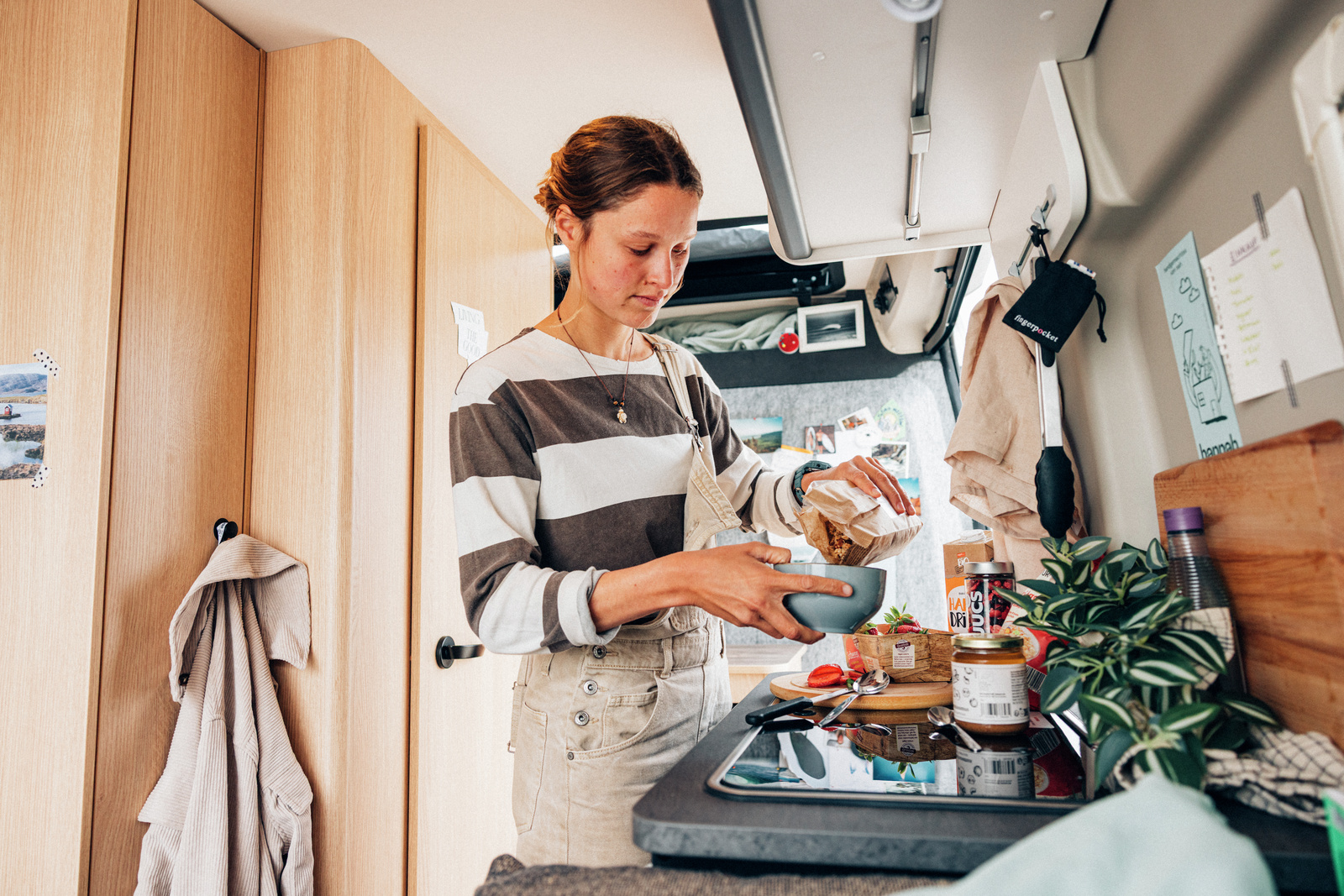
Prioritize how the vehicle feels to drive, its sleeping space, ease of equipment use and storage. Then check which features you need for the trip.
Even when using the vehicle alone, think through how you will move around inside. Equipment that is easy to use can make a real difference to your experience.
Vehicle Size: Choose Something You Can Manage
Know the vehicle’s length, width and height, along with the view from the driver’s seat and how it feels to turn.
When planning your route, check parking height limits, space sizes, campsite entrances and road conditions. For a mountain destination, ask the campsite whether its access route suits that vehicle.
Tell the rental provider about your driving experience and planned itinerary so they can help you choose a suitable vehicle.
Sleeping Space: Think about Bed Access and Daily Setup
Imagine spending a night inside:
- Does the bed suit your height and sleeping habits?
- Is it easy to get into and out of bed?
- Where will you put your phone, water bottle and glasses?
- Will you need to pack away or rearrange the bed in the morning?
Thinking through these everyday situations helps you judge whether the interior will work for you.
Bathroom Facilities: Match Them to Your Habits
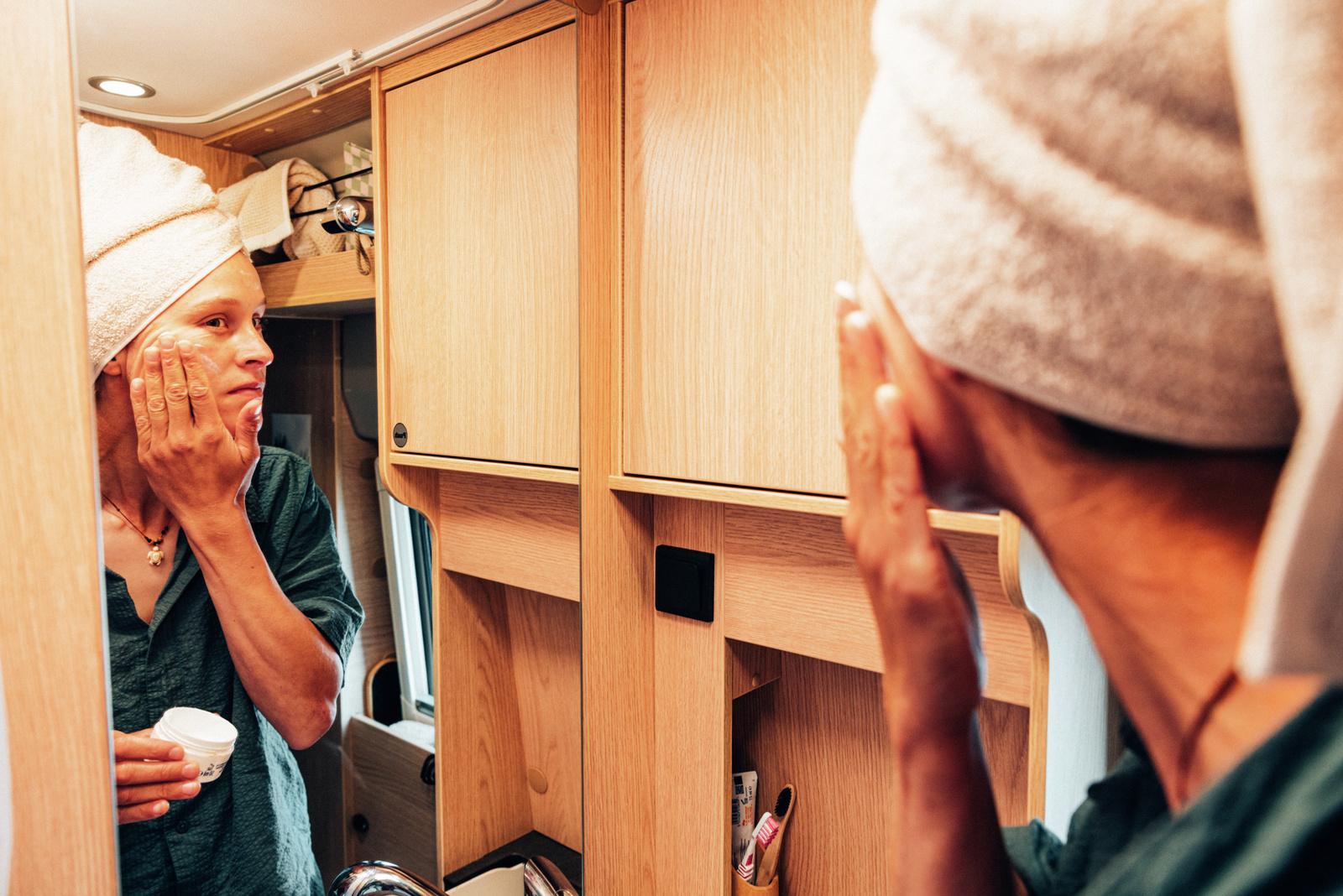
If an onboard bathroom is important, confirm the actual configuration and learn about water use, cleaning and wastewater disposal.
If you prefer campsite bathrooms, consider the facilities, opening hours and walking distance when choosing a site.
Equipment varies between vehicles, so check the specific vehicle details before booking.
Storage: Keep Everyday Items within Easy Reach
Group belongings into clothes, toiletries, food, charging equipment and outdoor items.
Decide how much to bring once you understand the storage layout. Easy access and secure storage both matter, and can reduce the time spent reorganizing before each drive.
Practical Habits for a More Relaxed Solo Trip
Keep Important Information in One Place
Save the rental contact details, campsite address, check-in time and route in a single note so you do not have to search through different messages.
Allow Time to Learn on the First Day
Using equipment for the first time may take longer than expected. Arriving early gives you daylight to become familiar with the routines.
Keep Meals Simple at First

Eat out along the way or prepare easy meals. Once you know the equipment and cleanup routine, you can try more involved cooking.
Leave Room to Rest Every Day
Driving, walking and setting up all take energy. Leave gaps between activities and allow flexibility for changes in weather or traffic.
Ask before Trying an Unfamiliar Procedure
Vehicle equipment and campsite facilities have their own operating procedures. If you are unsure, contact the rental provider or campsite staff rather than spending time on repeated attempts.
Make Notes about Your Travel Habits
After the trip, note the campsite environments you liked, how much driving suited you and which items you actually used.
These observations will help make your next trip a better fit.
Common Planning Mistakes on a First Solo Trip
Packing the Day Too Full and Reaching the Campsite Late
Too many daytime stops mean even a small traffic delay can leave less time for check-in and setup.
For your first solo trip, make fewer stops and treat arriving at the campsite as an important part of the day.
Relying on Photos without Checking Access
Photos do not always show entrances, gradients or parking space dimensions.
Give the campsite your vehicle dimensions before booking, then confirm the access road and pitch to reduce uncertainty on arrival.
Bringing Too Much while Keeping Essentials out of Reach
List the essentials first, then organize them around the available storage. After the trip, record what you used so you can pack more precisely next time.
Forgetting to Allow Time for Return-Day Tasks
The return journey may involve refueling, cleaning and returning the vehicle as well as driving.
Check the rental provider’s requirements before deciding when to leave the campsite, so the final day feels less rushed.
Solo Campervan Travel FAQ
Q1: Is solo campervan travel suitable for beginners?
Beginners can start with a short trip on a clearly planned route, but should first confirm licence and vehicle-use requirements and become familiar with the vehicle and equipment. If you cannot yet manage the essential routines independently, travel with someone first.
Q2: Is renting a campervan alone a waste of space?
That depends on your everyday needs and budget. A solo traveler may still value sleeping space, a bathroom and storage. Consider how you will actually use the vehicle and whether you are comfortable covering the fixed costs yourself.
Q3: Is two days and one night enough for a first solo campervan trip?
A two-day, one-night trip lets you experience driving, parking, an overnight stay and departure routines. If you want an extra day to relax at the campsite, consider three days and two nights with less driving.
Q4: Can I park and sleep anywhere in a campervan?
Do not assume that permission to park also allows overnight stays or camping. Check local rules, land-use restrictions and site management requirements, and choose a lawful location that explicitly accepts campervan stays.
Q5: Does every campervan have a toilet and shower?
No. Bathroom, cooking, water and power facilities vary by vehicle. Confirm the specific equipment, operating procedures and usage limits before booking.
Q6: How should I prepare for reversing or parking alone?
Become familiar with the driver’s visibility, reversing aids and operating procedures. Check the space and surroundings before parking. If you are unsure, seek on-site assistance or choose an easier place to park.
Q7: Do I have to cook for myself when traveling solo?
No. You can eat at restaurants along the way, bring simple food or prepare meals using the vehicle’s equipment. Easy meals can reduce cleanup on your first trip.
Q8: Should I book a campsite for a solo campervan trip?
For your first trip, it is best to confirm and reserve your overnight location in advance so you understand the pitch, access and facilities. Contact the campsite ahead of time if your plans change.
Q9: Should I share my itinerary with friends or family?
It is a good idea to share your planned route, overnight location and return time. Send a brief message when you arrive and update them if your plans change significantly.
Q10: What should I do if it rains during my solo campervan trip?
Adjust your plans to the weather and road conditions. If needed, cancel outdoor activities, delay driving or coordinate changes with the rental provider and campsite. Include rainy-day alternatives when planning.
Q11: Is solo campervan travel always cheaper than staying in a hotel?
No. Total costs depend on vehicle rental, campsites, transport and meals, and solo travelers cover fixed expenses themselves. Compare complete budgets before deciding.
Q12: How can I prepare for my next trip after returning?
Record how much driving suited you, the campsites you liked, the items you used and any routines you want to improve. Use those notes to adjust your next vehicle choice, trip length and route.
Make Your Next Trip a Journey for Yourself
A solo campervan trip can begin with a small wish.
Watch a sunrise, walk a trail you have saved on your map or find a quiet campsite where you can rest. Take your time over breakfast, finish a book or wander along nearby paths and notice the scenery you rarely have time to enjoy.
Your first trip does not have to take you far. Choose a vehicle you can manage, confirm your overnight location and leave enough time each day for rest and daily routines. Little by little, you will find your own travel rhythm.
You do not have to wait until everyone is free. Keep the next weekend for yourself.
Ready to plan a solo campervan trip? Contact 9O Camper to ask about vehicle options, actual equipment and rental conditions. Plan your next journey around your driving experience, trip length and everyday needs.