Does a campervan get hot or cold in summer? How to prepare for temperature control?
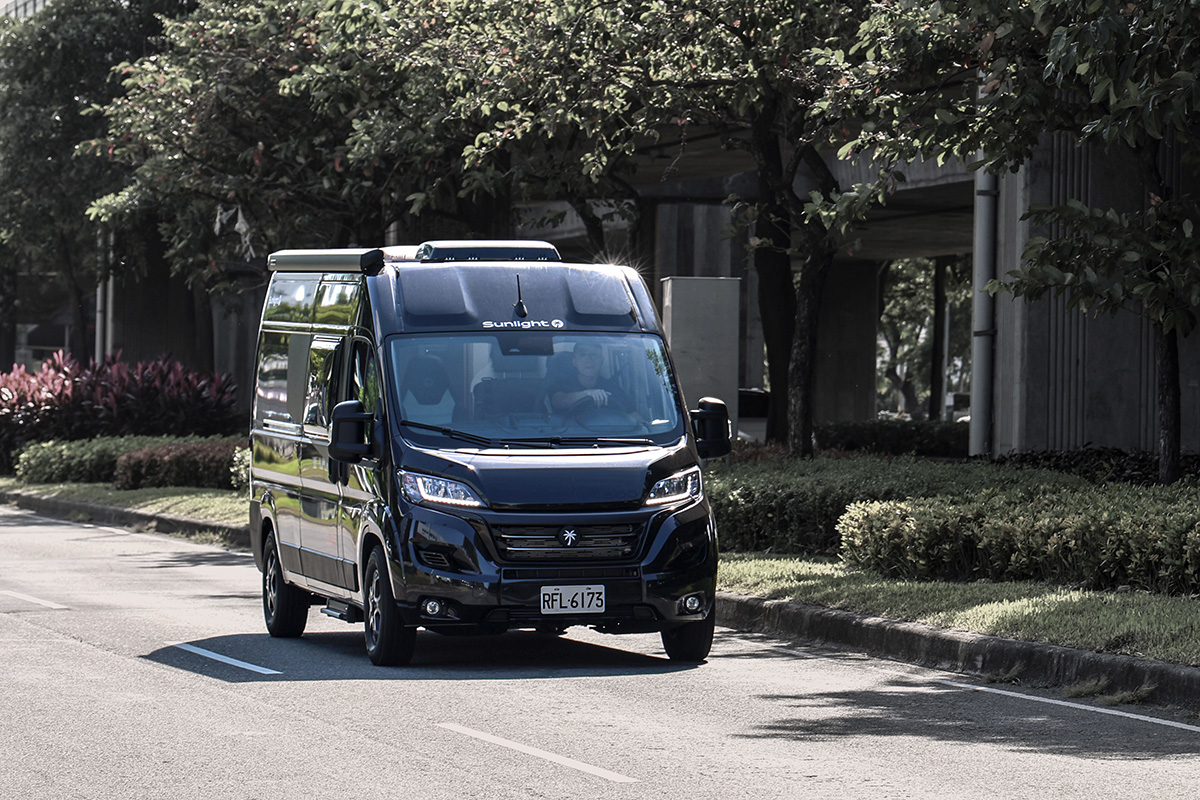
This article organizes temperature control tips for campervan travel in Taiwan during summer, including location selection, sunshade options, vehicle ventilation, food storage, and pre-departure checks, helping travelers enjoy a comfortable and relaxed journey in warm weather.
As summer approaches, many people begin to plan their travels. Compared to staying in hotels or fixed accommodations, more and more people are inclined to rent a campervan, heading to the beach to watch the sunset, retreating to the mountains to cool off, or finding a quiet spot by the river to let life slow down.
However, Taiwan's summer is hot and humid, and for many first-time campervan travelers, the most common question is: 'Will it be very hot in a campervan during summer?' 'Will it be stuffy at night?' 'Does the campervan have air conditioning?' 'Can the air conditioning be turned on all night?' These questions can directly affect the comfort level of summer campervan travel.
In fact, summer is not a time to avoid campervan travel, but it is necessary to first understand the vehicle's air conditioning, external power, sunshade, ventilation, and location selection methods. The following organizes the most practical temperature control tips for summer campervan travel, combined with the experiences of nine-euro travel agencies and travelers, helping you enjoy campervan life comfortably in warm weather.
Why is it necessary to prepare well for temperature control in summer campervan travel?
Campervans differ from regular self-driving trips; they simultaneously support both 'transportation' and 'living' functions. During the day, they are mobile tools, and after reaching the destination, they can transform into resting, cooking, sleeping, and storage spaces. Therefore, whether the internal temperature is comfortable will directly affect the overall travel experience.
In Taiwan, common summer issues include high temperatures, humidity, intense sunlight, and afternoon thunderstorms. If the campervan stays parked in direct sunlight for long periods, it will absorb heat, and the internal temperature can rise quickly. If you also use the stove, air conditioning, or have inadequate sunshade provisions, the camper can become stuffy and hot.
However, as long as you prepare well, summer campervan travel can still be enjoyable. The key is not only to rely on a single temperature control device but also to simultaneously coordinate air conditioning, external power, sunshade, ventilation, location selection, and travel itinerary, allowing both the interior and exterior of the vehicle to maintain a relatively comfortable condition.
1. Does the campervan have air conditioning? Will it be hot at night?
For summer campervan travel, air conditioning is one of the most important provisions for many travelers. Especially for families with children, the elderly, or those sensitive to heat, being able to sleep well at night is crucial, making evening arrangements more important than daytime travel plans.
Generally speaking, a campervan can use the vehicle's air conditioning; after reaching the destination, if the vehicle is parked in the shade, you will need to monitor the air conditioning settings and power supply, using the air conditioning or the internal living power system. It is also said that air conditioning cannot be used for long periods, as it will affect the vehicle's power configuration and the power supply at the destination.
If you are traveling in Taiwan during summer, it is recommended to choose a campsite that provides stable external power. In the evening, if you can connect to the power supply, air conditioning, ice boxes, lighting, and basic living power will be more abundant, allowing for a more stable night rest.
Nine-euro travel agencies often remind travelers: summer travel should not only consider whether the vehicle has air conditioning but also confirm the air conditioning usage conditions, external power supply methods, whether the campsite provides sufficient power, and whether you need to prepare a long extension cord, as well as whether it can provide power at night.
2. In summer, does the campervan need to connect to external power?
If traveling in spring or autumn, some travelers may choose more free parking methods; however, in Taiwan during summer, if you hope to use air conditioning steadily in the evening, it is recommended to prioritize choosing campsites that provide external power.
The campervan's power system can support lighting, ice boxes, mobile phone charging, fans, and small appliances, but air conditioning is a high-power device. Whether it can be used for long periods depends on the vehicle's power configuration and power supply conditions. If there is no stable external power, long-term use of high-power devices may affect the battery's capacity and other living power systems.
Therefore, when arranging summer campervan travel, it is advisable to confirm several things in advance: whether the campsite provides campervan external power, whether the power supply conditions meet the vehicle's requirements, whether the distance from the power supply location is sufficient, whether you need to prepare a long extension cord, and whether it can provide power at night.
The sunshade can help reduce some living power consumption, such as lighting, mobile phone charging, fans, or low-power devices, but it is relatively suitable as a supplementary power source, not a complete substitute for the stable power needed for summer night cooling.
3. Choose a campsite with trees, shade, or proximity to water bodies
During summer campervan travel, the choice of campsite will greatly affect comfort. If possible, it is recommended to prioritize selecting campsites with trees, shade, or proximity to water bodies, or those with good ventilation conditions.
Campsites with trees can reduce direct sunlight exposure, preventing the campervan from absorbing too much heat throughout the day. Especially during the midday to afternoon hours when sunlight is strongest, shade can help maintain a stable temperature inside the vehicle and prevent overheating.
Campsites near rivers, lakes, or beaches are often more comfortable in the evening after sunset. Taiwan has many mountainous areas, riverside campsites, and grassland campsites. Although it may still be hot during the day, after the sun sets, the temperature will feel more comfortable than on flat ground.
However, when choosing campsites near water bodies, safety must also be considered. Before departure, confirm the weather forecast, campsite drainage conditions, and vehicle traffic routes to avoid encountering conditions like afternoon thunderstorms, river floods, or heavy rain.
4. Use sunshades and side awnings to create shade for the campervan
Using a sunshade is a very practical provision during summer campervan travel. Many people think of using a sunshade as just a 'patio area,' but during hot summer campervan travel, it is also an important cooling tool.
After parking the campervan, opening the sunshade can create shade on the side of the vehicle, reducing direct sunlight exposure and allowing the internal temperature to drop. The exterior shade not only allows for outdoor activities but also helps reduce the internal heat of the vehicle.
5. Minimize cooking inside the campervan to avoid heat accumulation
One of the advantages of a campervan is the ability to have basic cooking functions during the journey. However, during hot summer periods, if cooking inside the campervan, the heat generated can quickly raise the internal temperature, which can make the living environment uncomfortable.
This does not mean that summer campervan travel cannot enjoy cooking, but it is necessary to be more mindful of meal preparation times and the environment. For example, preparing meals that require less heat in the morning or evening can help keep the internal temperature more comfortable.
The freedom of campervan travel comes from the ability to adapt to the environment and adjust living methods. Summer campervan meals do not necessarily need to be complicated; instead, they can be lighter, fresher, and more in line with the summer travel rhythm.
6. Avoid cooking during the hottest part of the day, and open the windows in the evening to ventilate
Many people think that during hot weather, windows should always be open. However, in Taiwan during summer, the outdoor temperature and humidity are also high. If you keep the windows open during the hottest part of the day, it may allow hot air to enter the vehicle, making it harder to cool down inside.
A better approach is to close the windows during the hottest part of the day and open them in the evening when the temperature drops. This way, you can allow cooler air to flow in and help reduce the internal temperature.
7. Bring children or elderly family members on the trip, and avoid overcrowding in summer travel
For families with children or elderly members, the most important aspect of summer campervan travel is not to rush to the most popular spots but to ensure everyone can relax and rest. Children, the elderly, and those sensitive to heat often have lower tolerance for high temperatures and humidity, so travel arrangements should be more flexible.
Nine-euro travel agencies often remind travelers to arrange outdoor activities in the early morning or late evening, such as watching the sunrise, hiking, driving, playing in the water, or simple picnics. During the hottest part of the day, it is advisable to arrange indoor activities or rest in shaded areas with cooler temperatures.
If traveling with children, it is also advisable to prepare extra clothing, cooling towels, sufficient drinking water, and simple snacks, and to reserve time for afternoon breaks. If traveling with the elderly, special attention should be paid to the distance between campsites, the convenience of getting in and out of the vehicle, and the temperature inside the vehicle during the day and night.
The advantages of campervan travel lie in the ability to adapt to the weather and personal conditions. A truly comfortable summer campervan experience may only require finding a spot with a breeze, parking the vehicle, and taking your time to enjoy meals, views, and rest.
If you want to know how to prepare for summer campervan travel, feel free to schedule a consultation with a campervan rental agency or inquire with nine-euro travel agencies, who can assist with campervan configurations, cooling methods, and suitable travel environments for summer in Taiwan.