Bring Five-Star Hotel Comfort into the Wilderness | Discover the SUNLIGHT Campervan’s Integrated Bathroom and Private Bedroom
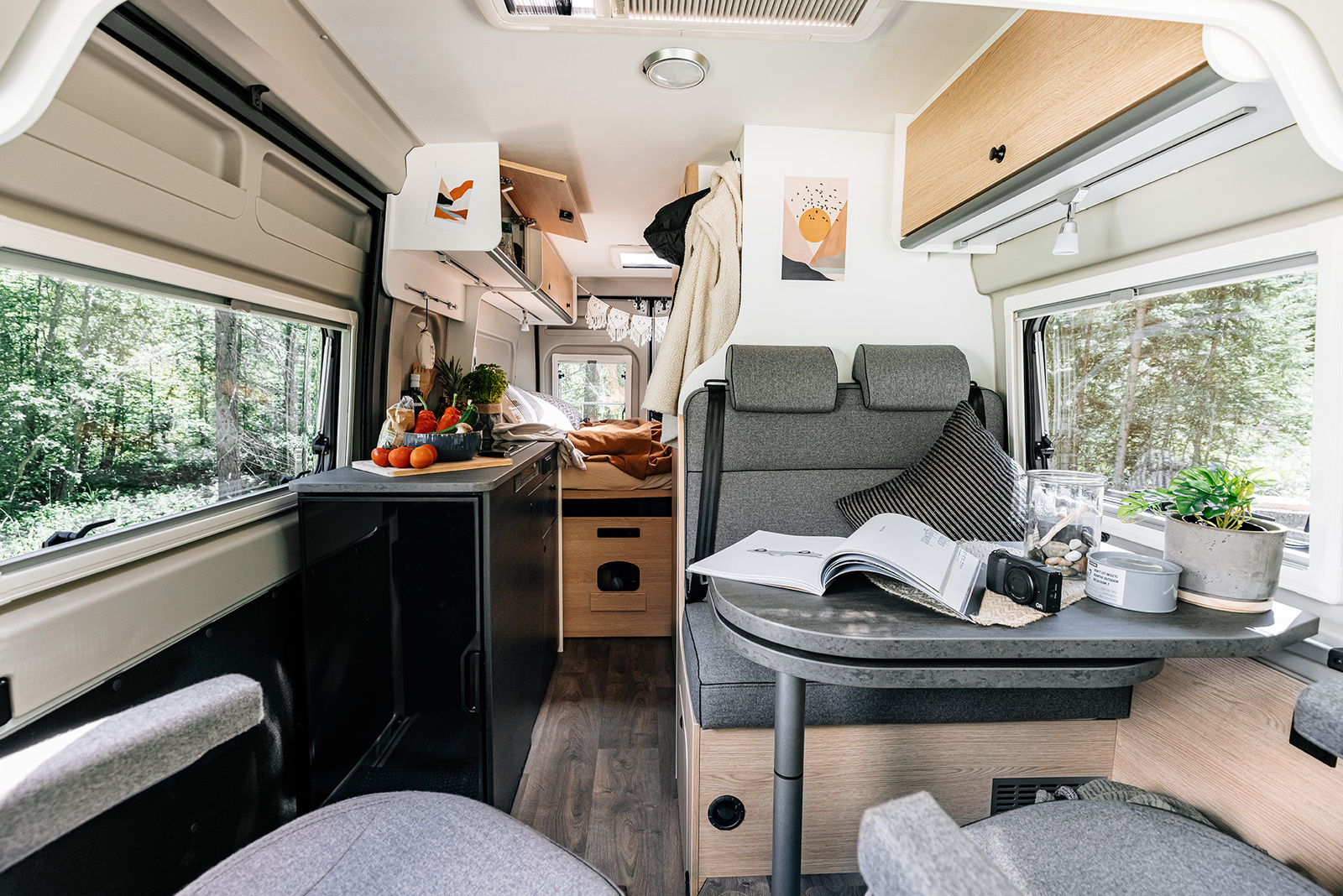
The SUNLIGHT campervan brings together an integrated bathroom, separate wet and dry areas, a cassette toilet, a kitchen with a two-burner gas stove, a private bedroom, and a premium mattress—all within the vehicle. Camping no longer has to mean roughing it. Whether you stay in the mountains, by the sea, or beside a lake, you can enjoy hotel-like comfort, privacy, and peace of mind while embracing a freer and more refined way to travel.
Sunlight Campervan Comfort Guide|Bathrooms, Beds and Kitchens
Enjoy forests, coastlines and lakeside scenery while keeping familiar daily routines? A campervan can connect transport and accommodation, with washing, meals and rest arranged at a suitable site.
For travelers who value comfort, choosing involves more than berth numbers. Consider whether the bathroom works for you, the bed fits and everyday belongings are accessible.
Sunlight models offer different layouts. A short rental through 9O Traveller can help you discover the space and routines you need before planning a longer journey.
This guide describes selection and use considerations. Bathroom design, beds, privacy partitions and equipment vary by model and version. Confirm the vehicle supplied; hotel ratings are not a promise of service or comfort.
1. Choose the Outdoor Experience That Fits You
Some travelers enjoy pitching a tent and arranging camp; others prefer less setup and more time for walks and rest. A campervan is another option, not a universally more comfortable approach.
Onboard life can retain familiar belongings and routines, but still involves tidying, equipment and supplies. Understand those tasks before deciding whether the experience suits your holiday.
Start with a campsite confirmed to accept the vehicle, keep activities manageable and leave time to experience the interior.
2. Connect Accommodation with a Daily Travel Rhythm
A campervan combines transport and sleeping space, so clothing, bedding and belongings can travel together without moving everything into a different room each night.
You also need to secure equipment before driving and manage fresh water, wastewater and electricity. Flexibility comes from preparation rather than having no plan.
Daytime exploration followed by a reserved site for meals, washing and rest can offer a rewarding holiday rhythm.
3. Bathrooms: Distinguish the Layout Before Assessing Comfort
An onboard bathroom can provide a more private arrangement. One-piece construction, a shared wet room, a convertible bathroom and a separate shower describe different things and are not universal features.
For example, 9O’s T58 page describes a separated wet/dry bathroom arrangement, while the CLIFF 600 should be assessed through its actual bathroom layout and operation. The brand name alone does not establish identical designs.
| Check | What to assess |
|---|---|
| Usable space | Standing, turning, closing the door and reaching belongings |
| Shower arrangement | Separation or conversion between functions |
| Water and hot water | Starting procedure, supply conditions and refilling |
| Toilet | Actual system, cleaning and disposal |
| Ventilation and drying | Airflow, wiping and post-use routines |
Onboard facilities do not mean unlimited showers or unrestricted disposal. Manage fresh water, wastewater and toilet waste according to instructions at suitable permitted facilities.
4. A Fixed Bed Is Not Necessarily a Separate Bedroom
A fixed bed reduces daily conversion of the main sleeping area, but may not be a fully enclosed bedroom. Check actual doors, curtains and partitions if privacy matters.
Imagine one person sleeping while another uses the table, bathroom or luggage. Examine movement and exit access with sleeping areas in use.
Fit depends on height, sleeping habits and bed access. A berth count alone does not establish that everyone can use each position comfortably.
5. Mattresses and Bedding: Assess Personal Fit
Preferences for firmness, support and width vary. A comfortable-looking bed in a photograph may not suit your habits.
Ask about sleeping dimensions, mattress type, bedding provision and cleaning, and whether a viewing or trial is possible. Raised beds, bunks and drop-down beds also need checks on ages, loads and fall protection.
Nighttime temperature, cooling power, lighting and site noise affect rest too. Assess the bed and campsite together rather than expecting a hotel-like sleep guarantee.
6. Two-Burner Kitchens: Another Way to Arrange Meals
9O currently lists two-burner gas hobs and sinks for the CLIFF 600 and T58. These facilities are worth considering for simple breakfasts, hot drinks and one-pot meals.
Two burners do not permit every pan size. Confirm operating instructions, pan clearance, ventilation and workspace. Park appropriately before cooking under equipment and site rules.
Indoor cooking in rain still depends on actual conditions. It is not entirely independent of weather, and necessary ventilation must not be closed to retain warmth or cooled air.
Preportion ingredients, keep meals manageable and confirm refrigeration and cleaning. Eating out is also a perfectly workable campervan travel choice.
7. Storage, Ventilation and Utilities Work Together
Comfort often depends on reaching belongings, sharing space and the time needed for daily chores.
| Everyday need | Confirm before booking |
|---|---|
| Luggage | Storage sizes, securement and access with beds in use |
| Charging and cooling | Power source, hookup requirements and operating limits |
| Lighting and airflow | Controls, ventilation and insect screens |
| Bathroom and cooking | Water, energy, cleaning and disposal |
| Parking and accommodation | Vehicle acceptance, entrance, pitch and access hours |
| Every move | Securing cupboards, fridge, beds and movable equipment |
More equipment may mean more procedures to learn. Request demonstrations at handover and ask about uncertain operations before using them.
8. Who Might Like to Try This Approach?
If you enjoy nature and care about washing, sleep and meals, include a campervan in your comparisons. Those less interested in tent setup can also explore onboard accommodation and campsite life.
Families, couples and older travelers all need arrangements suited to their actual group. Entry, beds, bathroom access and approved passenger capacity should be checked separately rather than inferred from a family-oriented label.
If fewer daily chores are a priority, a hotel or another stay may suit better. Choose how you want to spend this holiday rather than ranking one type as more luxurious.
9. Rent First to Discover Your Comfort Priorities
A short rental can introduce the layout and everyday routines. Begin with one confirmed campsite and time to learn equipment rather than many consecutive destinations.
Walk during the day, return for dinner and rest in the way you prefer. Note favorite bed arrangements, equipment actually used and any access you would change, making the next choice easier.
Flexibility still requires campsite arrival, road and parking rules. Attractive scenery does not establish permission to stay or cook anywhere.
10. Bring Familiar Routines into the Next Landscape
A campervan’s appeal may be a suitable bed, a practical bathroom or time to prepare breakfast together. Those details can add a sense of everyday life to travel.
You do not need every vehicle to feel like a hotel or every accessory on a first trip. Understand the configuration, choose a manageable route and learn what you enjoy through experience.
Ask 9O Traveller about current Sunlight models, bathrooms, beds, kitchens and rental conditions, then plan around the everyday needs that matter to you.